
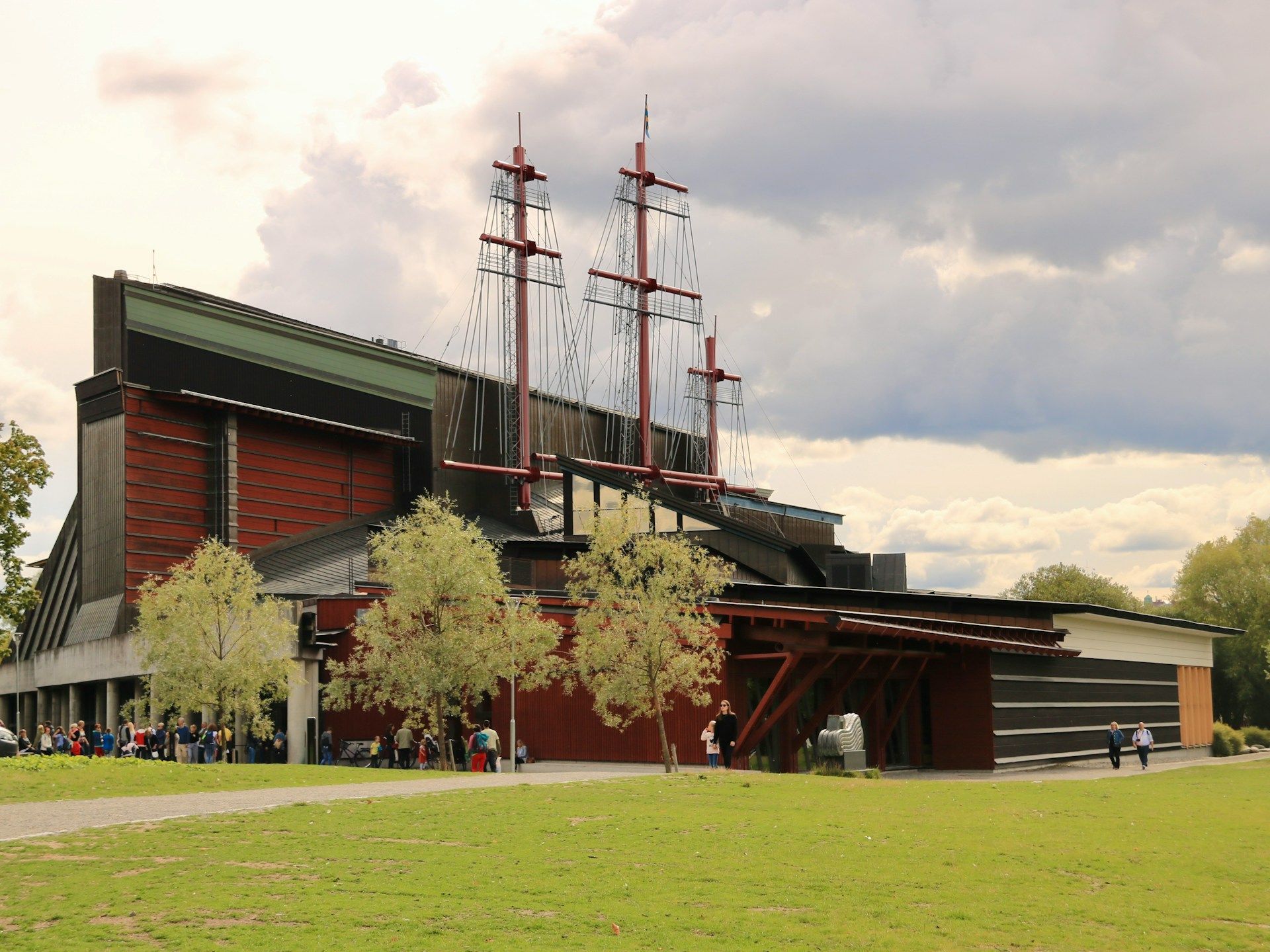
Standing before a 17th-century warship that sank on its maiden voyage and was resurrected 333 years later, you'll witness one of the most extraordinary preservation miracles in maritime history. The Vasa Museum houses a ship so intact that 98% of its original wood remains, making it the only preserved vessel of its kind in the world. This Stockholm Vasa Museum guide will help you make the most of your visit to this awe-inspiring monument, from understanding the dramatic story behind the ship to planning a maritime-themed exploration of Stockholm's island heritage.
Explore Stockholm with WandrCity
Self-guided audio app · 24 stops · 119 SEK · No fixed schedule
The Vasa's Dramatic Story: Pride, Disaster, and Resurrection
The Vasa was King Gustavus Adolphus's pride—a massive warship meant to project Swedish power across the Baltic Sea during the Thirty Years' War. Built between 1626 and 1628, the ship featured two gun decks with 64 bronze cannons, elaborate sculptures, and a towering mast system. But on August 10, 1628, the Vasa sailed barely 1,300 meters before tilting dangerously, water pouring through the open gun ports. Within minutes, Sweden's most powerful warship lay at the bottom of Stockholm harbor, claiming 30 lives and becoming an immediate national embarrassment.
What makes this Stockholm Vasa Museum guide essential reading is understanding how this disaster became a triumph. The ship remained remarkably preserved in the cold, brackish waters of Stockholm's archipelago for over three centuries. In 1956, marine archaeologist Anders Franzén located the wreck, and in 1961, an unprecedented salvage operation lifted the Vasa back to the surface. The ship's preservation was so exceptional that conservators found everything from sailors' personal belongings to intact rigging and even the original paint pigments on the sculptures.
Why the Vasa Sank: A Cautionary Tale
The museum's exhibits reveal that the Vasa's fatal flaw was built into its very design. The ship was top-heavy, with insufficient ballast and a narrow hull that couldn't support the weight of two full gun decks. King Gustavus Adolphus had demanded more firepower mid-construction, but the shipbuilders couldn't widen the hull without starting over. A stability test conducted before launch—where 30 men ran back and forth across the deck—had to be stopped because the ship rocked dangerously. Yet political pressure and royal impatience pushed the launch forward anyway, with devastating consequences.
What Not to Miss During Your Vasa Museum Visit
Walking into the museum's main hall, you're immediately confronted with the Vasa's massive dark hull rising seven stories high. But a comprehensive Stockholm Vasa Museum guide means going beyond that initial wow-moment to discover the details that bring this maritime disaster to life.
The Sculptures and Decorations
Over 700 sculptures adorned the Vasa, from fierce lion figures to elaborate biblical scenes and mythological creatures. The transom—the ship's stern—featured a 20-foot-long sculpture showing the Swedish coat of arms supported by two lions. These weren't mere decorations; they were propaganda pieces meant to communicate Swedish power to anyone who saw the ship. The museum's upper galleries let you view these sculptures at eye level, revealing details invisible from the ground floor, including original paint traces showing that the ship was once vibrantly colored in red, gold, blue, and yellow.
Life on Board: The Human Stories
The museum has reconstructed faces of several Vasa crew members based on skeletal remains, putting human faces to the tragedy. You'll see personal artifacts recovered from the wreck—leather shoes, coins, dice, and even a sailor's wooden spoon with his initials carved into it. One particularly moving exhibit shows the reconstructed face of "Adam," a young sailor in his twenties who perished in the sinking, alongside the bone injuries that tell the story of his hard life at sea.
The Preservation Hall
Most visitors rush past this section, but understanding how conservators saved the Vasa from disintegration is fascinating. After the ship was raised, it was continuously sprayed with polyethylene glycol for 17 years to replace the water in the wood cells and prevent collapse. The museum still monitors every centimeter of the ship, and you can see the ongoing conservation work that keeps this 400-year-old vessel from falling apart.
Combining the Vasa Museum with Stockholm's Maritime Heritage
The Vasa Museum sits on Djurgården island, which makes it an ideal starting point for exploring Stockholm's relationship with the sea. After immersing yourself in 17th-century maritime history, consider extending your exploration through Stockholm's island architecture and waterfront heritage with a self-paced audio tour.
The WandrCity app offers a self-guided audio walking tour called "Stockholm – The City of Islands" that covers 24 stops from Central Station through Norrmalm, Gamla Stan, and ending at Södermalm with panoramic views. For just 119 SEK (one-time purchase), you'll get immersive audio narration at each location that tells the stories of Stockholm's maritime heritage, from its Viking trading roots to its role as a Baltic naval power. The tour works with an interactive GPS map, automatically playing audio at each stop, so there's no fixed schedule—you can visit the Vasa Museum whenever it fits your pace. The app works completely offline, which is perfect when you're moving between museums and outdoor locations.
This combination works beautifully because the Vasa Museum provides the dramatic centerpiece of Sweden's maritime ambitions, while a self-guided Stockholm walking tour shows you how those maritime connections shaped the city's physical layout. You'll see how Stockholm's geography as a city spread across 14 islands made it a natural naval power, and understand why controlling Baltic shipping routes was so important that kings would commission massive warships like the Vasa despite the enormous cost.
Practical Visit Tips for the Vasa Museum
The museum opens at 10:00 most days (check their website for current hours, as they vary seasonally). Arrive right at opening or after 15:00 to avoid the biggest crowds, especially during summer months. Allow at least two hours for a thorough visit—serious maritime history enthusiasts often spend three or more hours exploring all the galleries.
The admission fee is 190 SEK for adults, with discounts for students and seniors (children under 18 enter free). Tickets can be purchased online or at the door, though buying in advance during peak season saves time. The museum is wheelchair accessible, and audio guides are available in 16 languages for an additional fee, though the English explanatory texts throughout the museum are quite comprehensive.
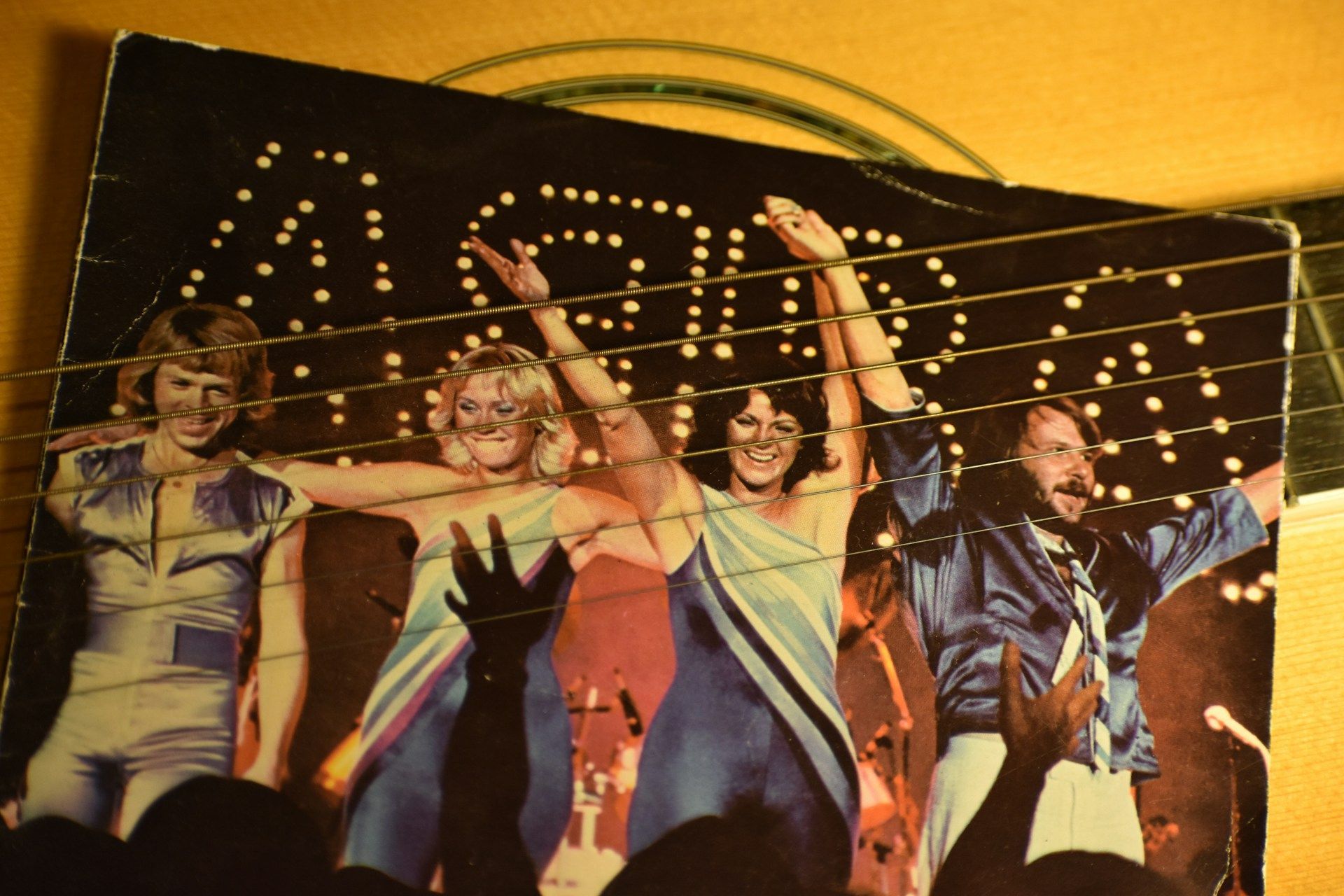
After the Vasa Museum, the Djurgården island offers several other excellent museums within walking distance, including the ABBA Museum and the Nordiska Museet. But if you're ready to see how Stockholm's maritime character extends beyond museums, heading into Stockholm's waterfront areas gives you a living connection to that seafaring heritage. The self-guided audio tour takes you through neighborhoods where ship captains once lived, past harbors where merchant vessels loaded goods, and along waterfronts that have defined Stockholm's identity for centuries.
The Vasa's story—of ambition, failure, and ultimate redemption—mirrors Stockholm itself: a city that has weathered setbacks and emerged stronger, its islands and waterways remaining central to its character. Whether you're spending just one day in Stockholm or a full week, the Vasa Museum provides an unforgettable window into Sweden's maritime past. And when you step back outside onto Djurgården's paths, you'll see Stockholm's waters with new eyes—not just beautiful scenery, but the stage for centuries of drama, commerce, and human ambition that shaped one of Europe's most distinctive capital cities.
Start your journey
in Stockholm
WandrCity is a self-guided audio tour app for Stockholm.
24 stops · Immersive audio narration · 119 SEK one-time
Download on App Store Download on Google Play