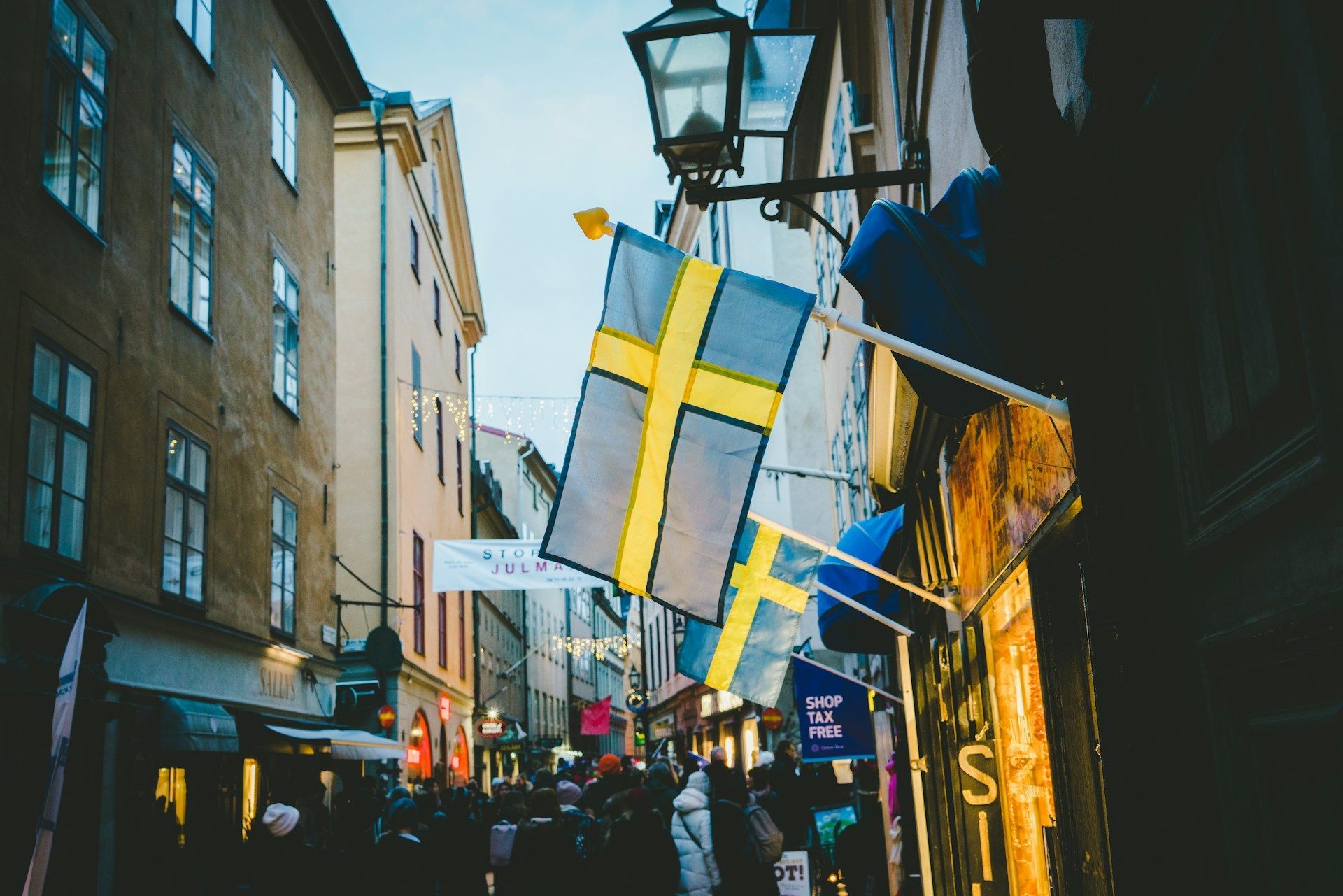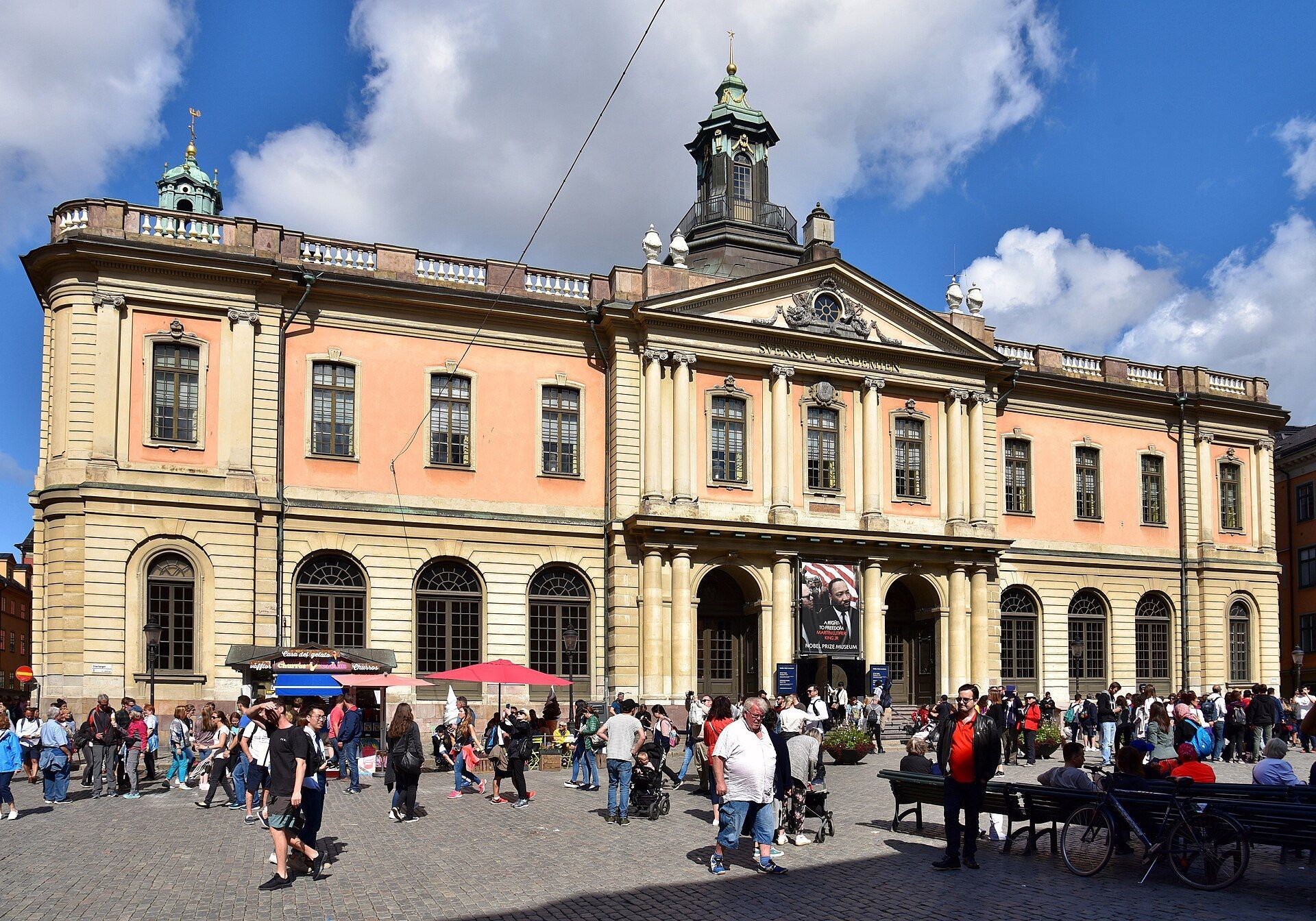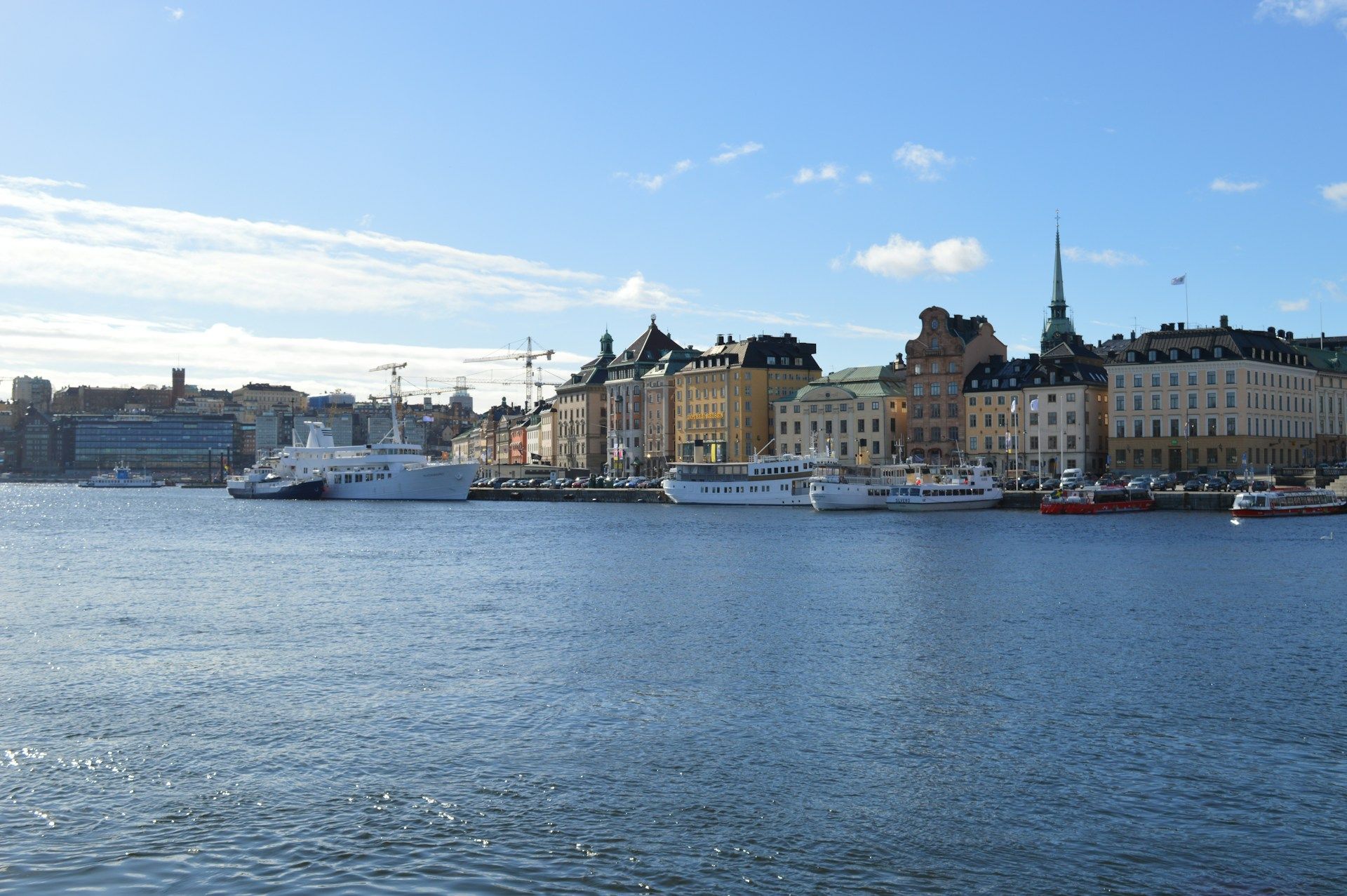

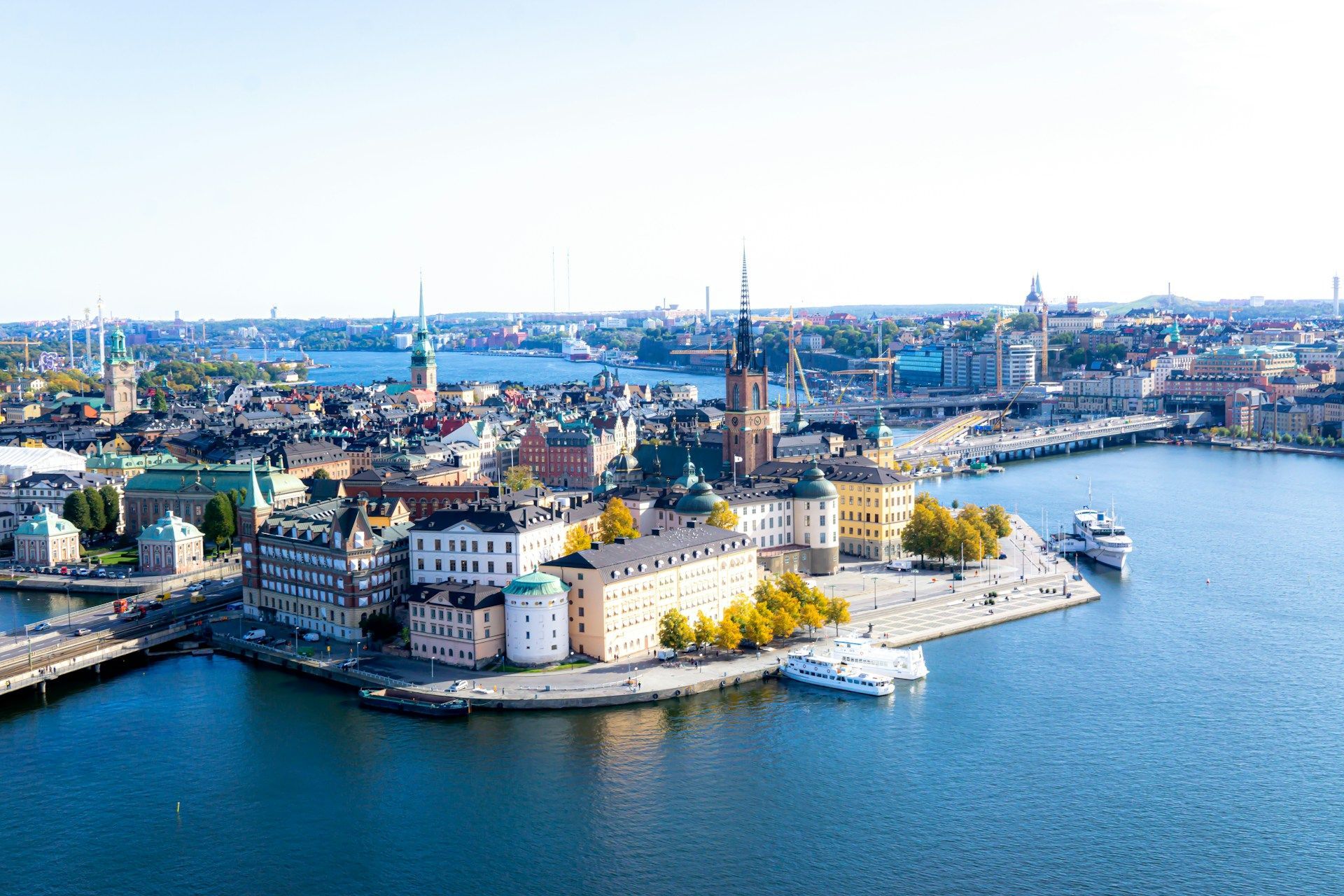
Walking through Gamla Stan's narrow medieval lanes feels like stepping through a portal into the 13th century, where every cobblestone, crooked building, and hidden courtyard whispers stories of kings, merchants, and the birth of a nation. Stockholm's medieval heritage isn't locked behind museum glass—it's carved into the very streets you walk, waiting to be discovered by those willing to slow down and listen.
Explore Stockholm with WandrCity
Self-guided audio app · 24 stops · 119 SEK · No fixed schedule
Understanding Stockholm's Medieval Origins
Stockholm's story begins around 1252, when Birger Jarl, a Swedish statesman, recognized the strategic brilliance of this collection of islands where Lake Mälaren meets the Baltic Sea. The oldest reference to the city appears in two runic inscriptions from 1252, though archaeological evidence suggests settlements existed even earlier. The name "Stockholm" itself—literally "log island"—hints at the defensive wooden stakes that once protected this medieval trading post from pirates and invaders.
The city's medieval layout still dominates Gamla Stan today. Unlike many European cities that demolished their old quarters during modernization, Stockholm preserved its medieval core almost intact. When you follow a stockholm medieval history walking guide through these streets, you're literally tracing the same paths medieval merchants walked seven centuries ago, navigating between the same buildings that witnessed the Stockholm Bloodbath of 1520 and countless other pivotal moments in Scandinavian history.
The Strategic Island Fortress
Medieval Stockholm wasn't built for beauty—it was built for survival. The narrow streets and cramped buildings of Gamla Stan served a defensive purpose, making it difficult for invading forces to navigate while creating natural choke points defenders could control. The city's position on islands meant water served as the first line of defense, while thick walls and watchtowers—remnants of which you can still spot—provided additional security. This strategic thinking shaped every aspect of the medieval city's layout, from the placement of churches to the width of alleyways.
Essential Medieval Landmarks for Your Walking Guide
A proper stockholm medieval history walking guide should begin at Stortorget, the oldest square in Stockholm and the pulsing heart of medieval life. This cobblestoned square, dating from the 13th century, witnessed everything from daily market trading to the infamous Stockholm Bloodbath in 1520, when Danish King Christian II executed 82 Swedish nobles and clergymen. The colorful merchants' houses surrounding the square—though rebuilt after a fire in 1407—still follow their original medieval footprints. Look closely at the façade of Schantzska huset (the red building) to spot darker red stones marking where the blood of those executed supposedly stained the walls.
Just steps away stands Stockholm Cathedral (Storkyrkan), consecrated in 1306 and Stockholm's oldest church. While the exterior received a baroque makeover in the 18th century, step inside and you'll find medieval treasures including the famous sculpture of Saint George and the Dragon, commissioned in 1489 to commemorate Sweden's victory over the Danes. The cathedral's brick Gothic arches and star-vaulted ceilings transport you directly into medieval devotional space. This is where Swedish monarchs have been crowned for centuries, maintaining an unbroken connection to the kingdom's medieval past.
The Royal Palace and Medieval Foundations
While today's Royal Palace dates from the 18th century, it stands precisely where Stockholm's medieval Tre Kronor castle once dominated the northern tip of Gamla Stan. The castle's foundation stones and several medieval rooms survived the devastating fire of 1697, and you can visit these preserved medieval chambers in the palace's museum. The Treasury vault, carved from solid bedrock, contained the Swedish crown jewels throughout the medieval period—a stark reminder that Stockholm's medieval power was both symbolic and very real.
Experiencing Medieval Stockholm with Audio Narration
While exploring these medieval streets independently offers freedom, the context and stories behind each location transform a simple walk into a proper stockholm medieval history walking guide. This is where WandrCity becomes your personal medieval historian. The self-guided audio tour includes 24 stops throughout Stockholm, with immersive audio narration that activates automatically as you reach each medieval landmark. At 119 SEK for the complete "Stockholm – The City of Islands" tour, you get detailed historical context, architectural insights, and authentic medieval stories narrated at each location—all without the pressure of keeping pace with a group or adhering to a fixed schedule.
The audio guides bring medieval Stockholm to life with details you'd otherwise miss: why certain streets curve at odd angles (following medieval property lines), how to spot original medieval bricks mixed with later replacements, and which buildings still contain medieval cellars and vaults. Working offline with GPS, the app ensures you won't get lost in Gamla Stan's deliberately confusing medieval street network—a feature that once protected residents but now challenges modern visitors.
Hidden Medieval Details Worth Discovering
Beyond the famous landmarks, authentic medieval Stockholm reveals itself in subtle details that most visitors walk past. Look up at Mårten Trotzigs gränd, Stockholm's narrowest alley at just 90 centimeters wide. This medieval lane wasn't designed for comfort—it's a drainage channel and property boundary that evolved into a passage. Medieval Stockholm was densely packed, with every centimeter of land precious and defended.
Medieval Commerce and Daily Life
The medieval economy left its mark in unexpected places. Köpmangatan (Merchant Street) and Köpmanbrinken (Merchant's Hill) mark the commercial arteries where German Hanseatic traders established their warehouses. The German Church (Tyska kyrkan), begun in 1571, stands on the site of an earlier medieval guildhall. These German merchants essentially controlled Stockholm's medieval economy, creating a cultural and linguistic island within the Swedish capital that persisted for centuries.
Medieval building regulations required all structures to include a cellar for storage—many of which survive today as restaurants and shops. When you dine in Gamla Stan, you're often eating in a medieval merchant's storage vault. The vaulted brick ceilings and thick walls that kept herring barrels and grain sacks safe now provide atmospheric dining spaces that connect modern visitors directly to medieval commercial life.
Defensive Architecture and City Walls
While Stockholm's medieval walls are mostly gone, careful observers can trace their path through slight elevation changes and the occasional surviving fragment. The best-preserved section stands near Kornhamnstorg, where a medieval defensive tower base still emerges from the rock. These walls defined medieval Stockholm's limits until the 17th century, when the city finally expanded beyond its island fortress into Norrmalm and Södermalm. If you're following walking routes that connect different districts, you'll cross these invisible medieval boundaries—a journey that would have required passing through guarded gates just a few centuries ago.
Completing your stockholm medieval history walking guide means understanding that Stockholm's medieval period wasn't just about kings and cathedrals—it was about ordinary people building a city stone by stone, street by street, in one of the Baltic's harshest environments. The medieval city survives not as a museum piece but as a living neighborhood where people still reside in buildings that have stood for half a millennium. Every cobblestone you walk on, every crooked corner you turn, connects you to those medieval builders and inhabitants who couldn't possibly have imagined you'd be following their paths seven centuries later, guided by a device that fits in your pocket and speaks their stories directly into your ears.
Start your journey
in Stockholm
WandrCity is a self-guided audio tour app for Stockholm.
24 stops · Immersive audio narration · 119 SEK one-time
Download on App Store Download on Google Play