
There's a Swedish word you'll hear whispered in every Stockholm café, office, and home—a ritual so integral to daily life that it's practically written into the social contract. Welcome to fika, the art of slowing down with coffee and pastries, and perhaps the most authentic cultural experience you can have in Sweden's capital. This Stockholm fika culture guide will take you beyond the tourist traps and into the heart of a tradition that defines Swedish social life.
Explore Stockholm with WandrCity
Self-guided audio app · 24 stops · 119 SEK · No fixed schedule
What Is Fika and Why Does It Matter?
Fika is both a noun and a verb in Swedish—it means the act of taking a coffee break, and it also refers to the break itself. But reducing fika to just "coffee break" misses the entire point. This Stockholm fika culture guide reveals that fika is a sacred pause in the day, a moment to disconnect from work and genuinely connect with others. It's not rushed, it's not optional, and it's certainly not something you do while staring at your phone.
The tradition emerged in the early 20th century as Sweden's coffee consumption soared, but it truly became embedded in the culture during the 1950s when Sweden briefly banned coffee (yes, really). The prohibition failed spectacularly, and when coffee returned, Swedes embraced it with renewed devotion. Today, Sweden ranks among the world's top coffee consumers per capita, and fika happens at least twice daily in most workplaces—it's even written into some union agreements.
The social significance runs deep. Fika is where colleagues become friends, where business deals are softened with cinnamon buns, where families reconnect on Sunday afternoons. It's egalitarian—the CEO sits with the intern, everyone gets the same coffee, and for those 20-30 minutes, hierarchy dissolves. Understanding this helps you appreciate why Swedes might seem puzzled if you suggest grabbing coffee "to go" or having a "working lunch."
The Unspoken Rules of Fika Etiquette
Timing and Duration
Fika typically happens mid-morning (around 10:00) and mid-afternoon (around 15:00), though weekend fika can stretch luxuriously into hours-long affairs. The key is that it's never rushed. Even a workplace fika should last at least 15-20 minutes, and suggesting someone "grab a quick coffee" defeats the purpose entirely. You sit down. You stay awhile. You talk about something other than work.
What to Order
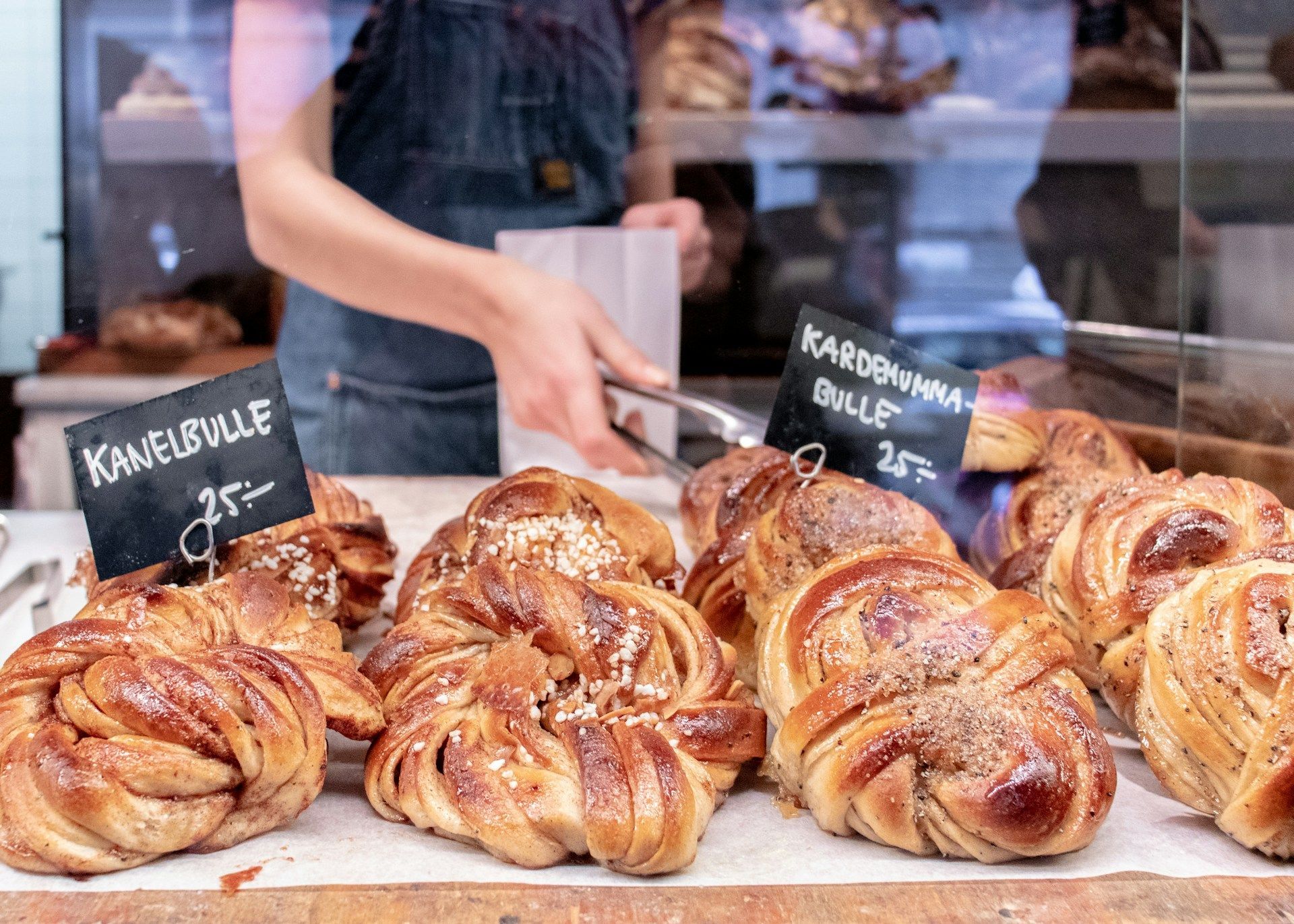
Coffee is non-negotiable for traditional fika, though younger Swedes have relaxed this rule to include tea or even hot chocolate. The coffee itself is typically a lighter roast than you might expect—Swedes prefer filter coffee (bryggkaffe) over espresso drinks, though modern cafés offer everything. As for pastries, the classics reign supreme: kanelbulle (cinnamon bun), kardemummabulle (cardamom bun), and kladdkaka (sticky chocolate cake). At traditional konditori (pastry shops), you'll also find princess cake, mazarins, and seasonal treats like semlor (cream-filled buns eaten from January through Easter).
Here's an insider tip: don't order the largest coffee size available. Swedes typically opt for medium or even small, knowing they'll likely have another fika later. And never, ever suggest skipping the pastry to "be healthy"—that's missing the entire cultural point.
The Social Dance
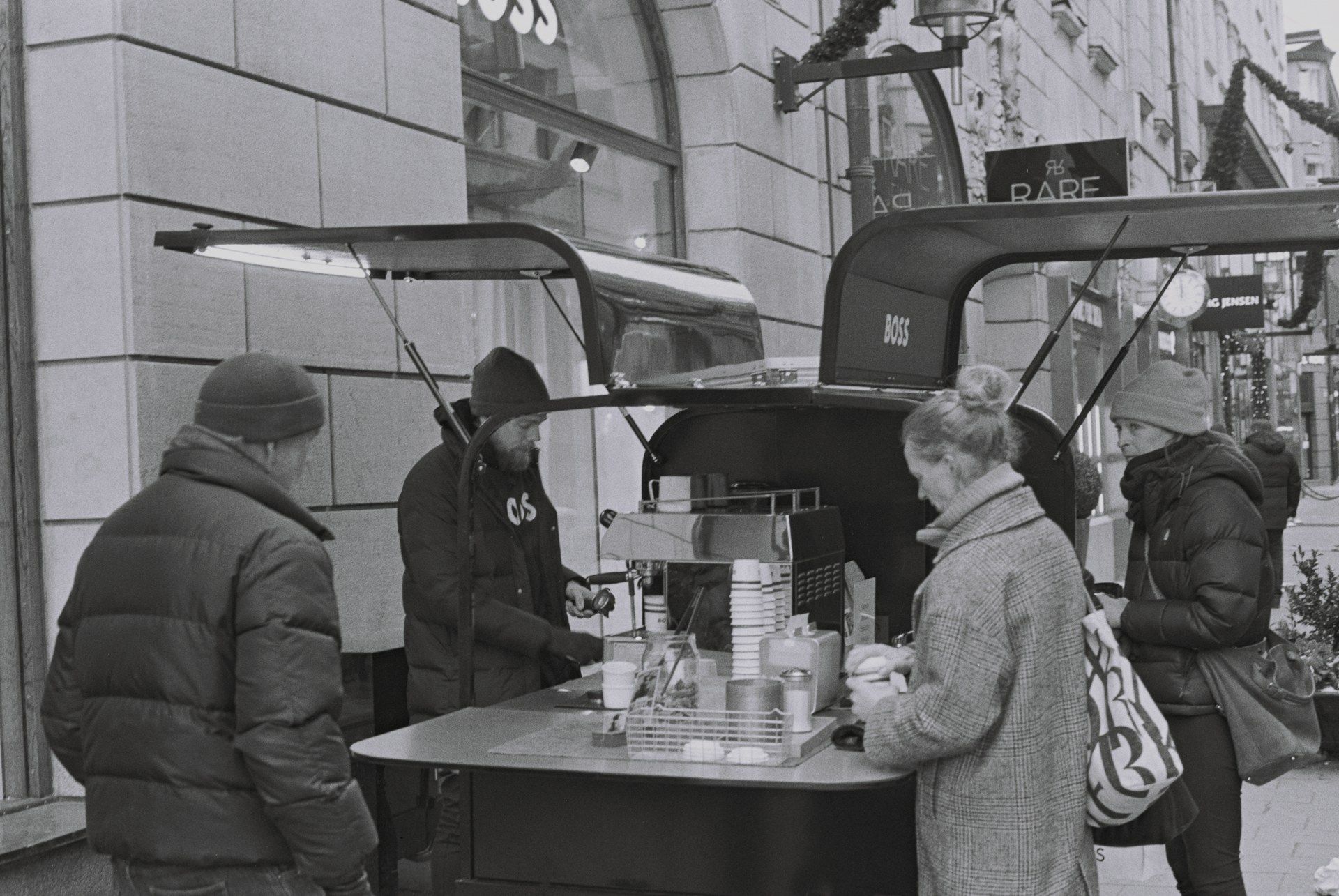
When someone invites you for fika, they're extending genuine friendship or professional interest. Accept enthusiastically. If you're in a workplace setting, everyone takes fika at the same time—it's a collective pause. In cafés, it's perfectly acceptable to fika alone with a book or newspaper, but if you're with others, phones stay in pockets. Eye contact, conversation, and presence are the currencies of proper fika.
Where to Experience Authentic Fika While Exploring Stockholm
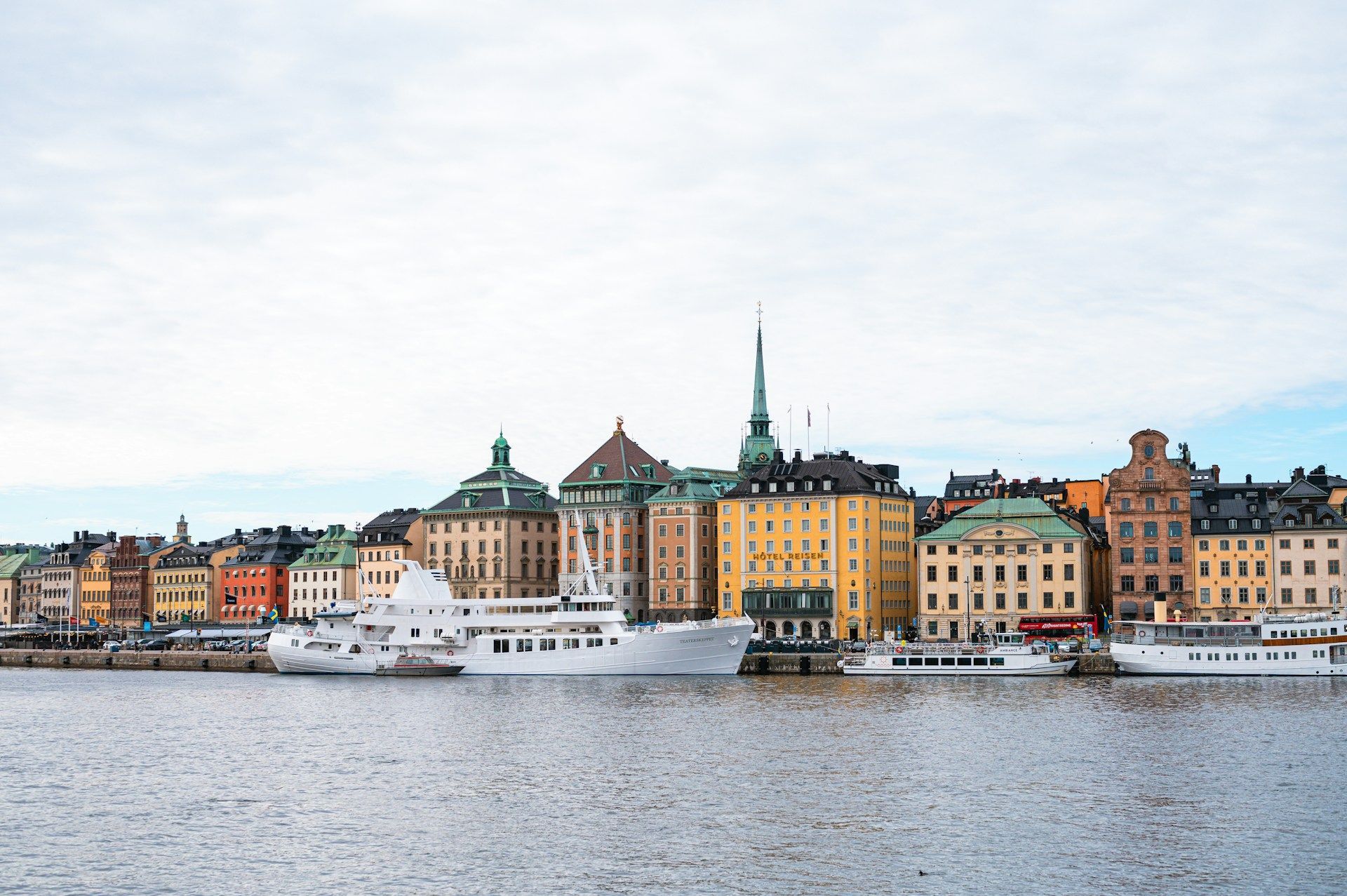
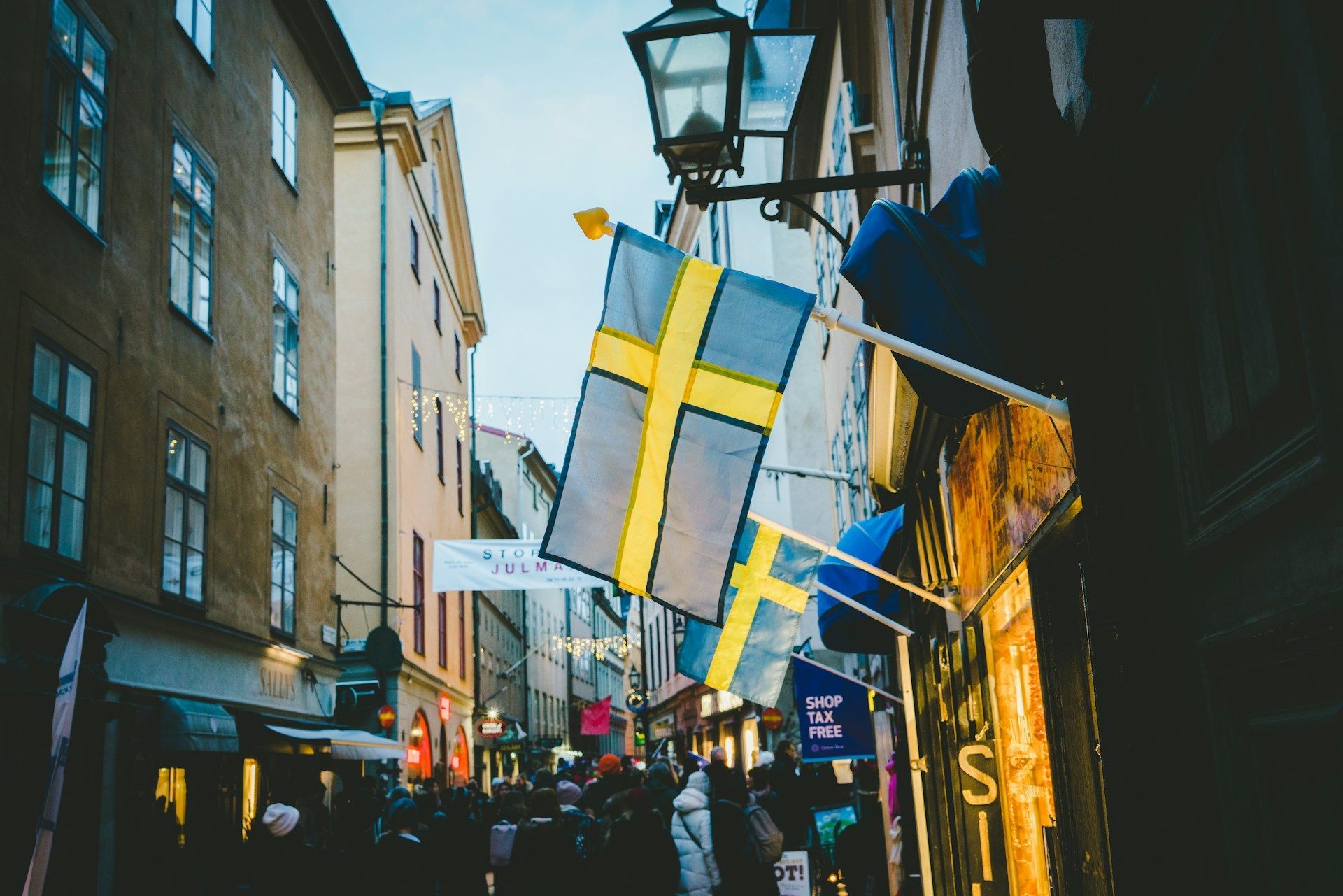
The beauty of Stockholm's fika culture is that it's woven into every neighborhood, from polished Östermalm to creative Södermalm. While you could certainly park yourself in a single café for the afternoon, the best way to understand fika is to experience it as Stockholmers do—integrated into your day as you explore the city on foot.
If you're planning to see Stockholm in one day, building in at least one proper fika stop transforms your visit from sightseeing into cultural immersion. For a deeper dive into Stockholm's café scene, our guide to the best cafés in Stockholm offers neighborhood-by-neighborhood recommendations.
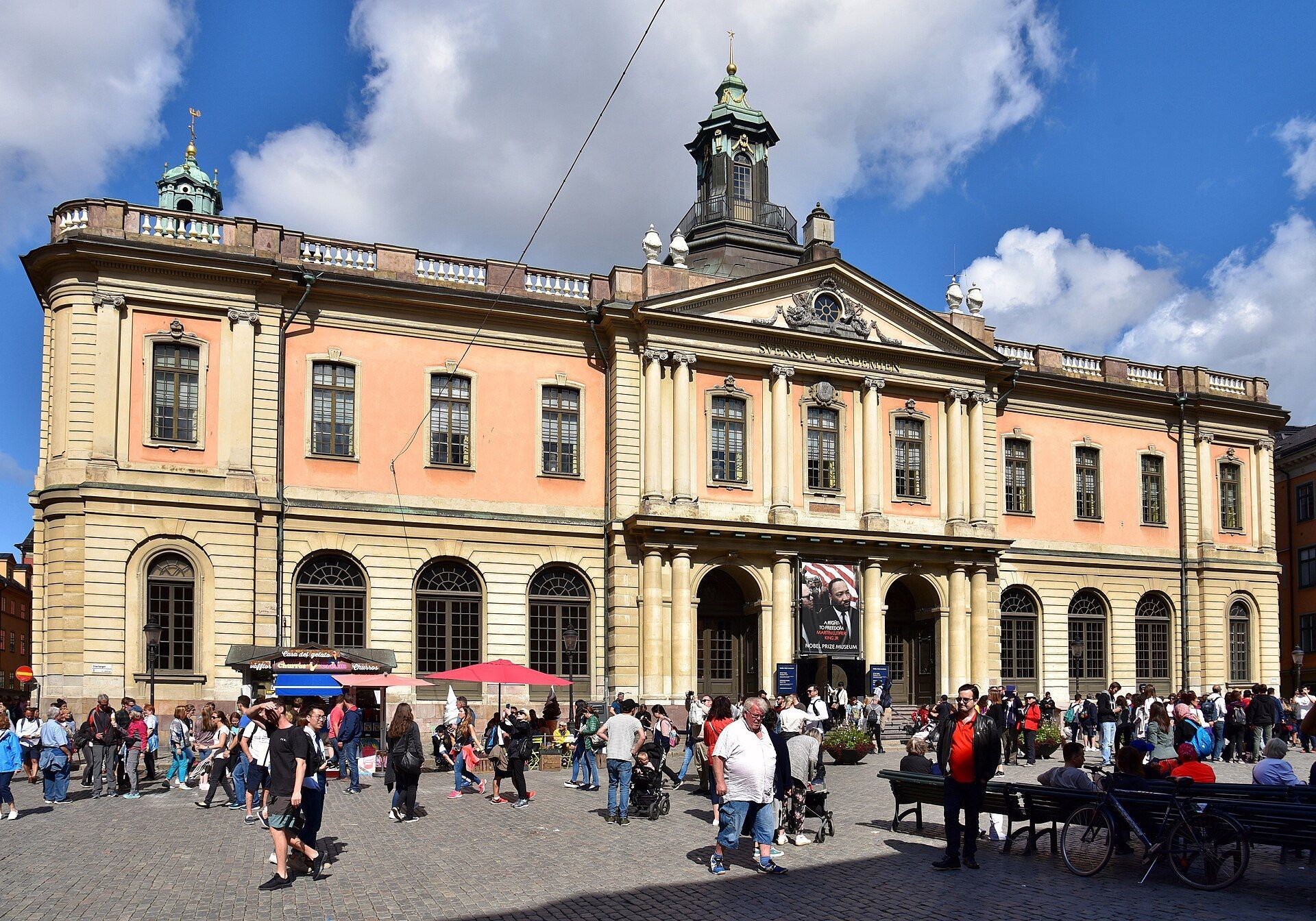
One of the most rewarding ways to discover authentic fika spots is through walking Stockholm's neighborhoods with context about what you're seeing. The WandrCity audio tour "Stockholm – The City of Islands" guides you through 24 stops from Central Station through Norrmalm and Gamla Stan to Södermalm, with immersive audio narration that includes insights into local café culture and daily Stockholm life. For just 119 SEK, you get a self-paced experience with no fixed schedule—meaning you can pause for fika whenever the mood strikes, then continue your exploration. The app works offline and uses GPS to trigger audio at each location, giving you the freedom to fika like a local without worrying about keeping up with a group.
For traditional fika atmosphere, seek out Gamla Stan's historic konditori, where pastries are still made using century-old recipes. Vete-Katten in Norrmalm has served Stockholmers since 1928 and maintains an old-world charm that transports you back in time. In Södermalm, you'll find the hipster evolution of fika culture—third-wave coffee roasters serving single-origin brews alongside reinvented classics like cardamom buns with unexpected flavor twists.
Here's a local secret: the best fika often happens in neighborhood spots that don't even have English menus. Don't be intimidated—point to what looks good, smile, and say "tack" (thank you). Stockholmers appreciate the effort, and you'll likely get a more authentic experience than at tourist-oriented cafés. If you're wondering where to stay in Stockholm, choosing a residential neighborhood gives you access to these genuine local spots.
Seasonal Fika Experiences
Fika changes with the seasons in Stockholm. Summer means outdoor seating with kanelbullar and strawberry tarts, taking advantage of long daylight hours. Autumn brings saffron buns (lussekatter) starting in December. Winter fika might happen in candlelit cafés with gingerbread and glögg (mulled wine replaces coffee during Christmas season, which Swedes accept as a temporary exception). Spring sees the return of semlor, those cream-filled cardamom buns that Swedes consume with almost religious devotion from January through Easter.
Budget-Friendly Fika Tips
Stockholm isn't cheap, but fika remains relatively affordable—usually 70-100 SEK for coffee and a pastry. For budget travelers exploring Stockholm on a budget, supermarket bakeries like Pressbyrån offer surprisingly decent kanelbullar for 20-30 SEK, and many cafés offer fika discounts if you order coffee and pastry together. The real luxury isn't the price—it's the time you give yourself to slow down.
Understanding Stockholm fika culture guide principles transforms how you experience the city. You're not just a tourist checking boxes; you're participating in a daily ritual that's shaped Swedish society for generations. Whether you pause for fika in a centuries-old konditori in Gamla Stan or a modern café in Södermalm, you're doing what Stockholmers have done for decades—creating space for connection, conversation, and the simple pleasure of good coffee and pastries. So when you visit Stockholm,
Start your journey
in Stockholm
WandrCity is a self-guided audio tour app for Stockholm.
24 stops · Immersive audio narration · 119 SEK one-time
Download on App Store Download on Google Play