
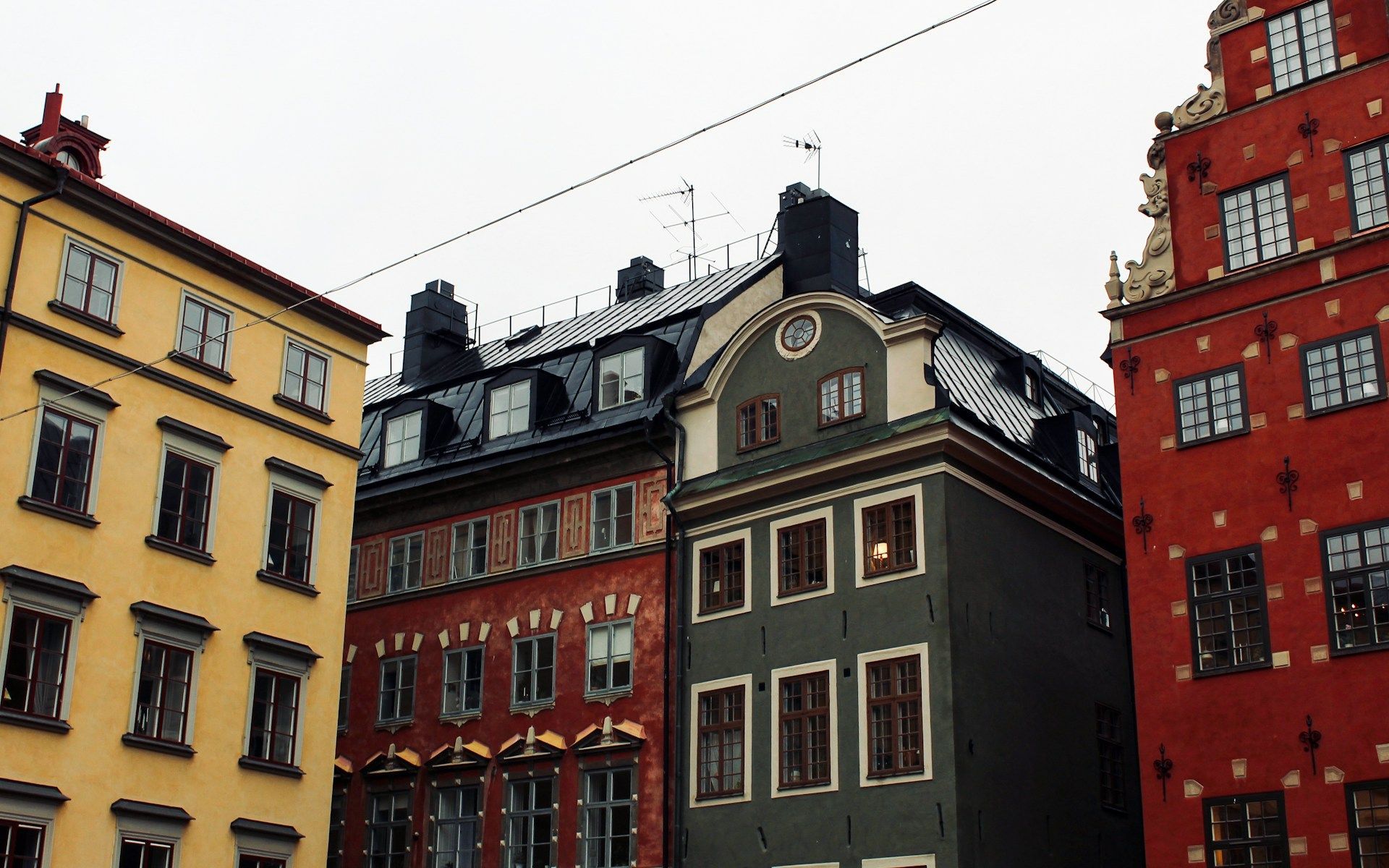
Stockholm rises from 14 islands like a living museum of Nordic architectural evolution, where medieval alleyways give way to functionalist masterpieces and waterfront warehouses transform into glass-and-steel statements of contemporary design. Unlike cities where architectural landmarks stand isolated, Stockholm's built heritage flows seamlessly across bridges and waterfronts, creating a stockholm architecture walking guide that reveals how Scandinavian designers have responded to light, water, and community across eight centuries.
Explore Stockholm with WandrCity
Self-guided audio app · 24 stops · 119 SEK · No fixed schedule
Whether you're a design professional seeking inspiration or a traveler who believes buildings tell the deepest stories, Stockholm rewards those who explore on foot with architectural narratives that most guidebooks miss entirely.
What Makes Stockholm's Architecture Uniquely Compelling
Stockholm's architectural identity emerges from constraints that became creative catalysts. The city's foundation across islands and waterways forced architects to think differently about space, connection, and orientation. Buildings here don't just occupy land—they negotiate with water, respond to Scandinavia's dramatic shifts in daylight, and create intimate public spaces despite challenging weather.
The result is architecture that prioritizes human scale and natural integration over monumental statements. Even Stockholm's grandest structures—the Royal Palace, City Hall, the Concert Hall—maintain a relationship with pedestrians and surrounding landscapes that feels accessible rather than imposing. This democratic approach to design, rooted in Swedish culture, means that residential buildings often receive the same careful attention as civic monuments.
The Functionalist Revolution
Sweden's embrace of functionalism in the 1930s wasn't merely an architectural trend—it was a social philosophy built in concrete and glass. The Stockholm Exhibition of 1930 introduced radical ideas about light, hygiene, and collective living that would reshape not just Swedish cities but influence modernist movements worldwide. Walking through neighborhoods like Gärdet or along Sveavägen, you'll encounter this legacy in buildings that prioritize clean lines, abundant windows, and thoughtful integration of green space.
Medieval Foundations Meet Modern Innovation
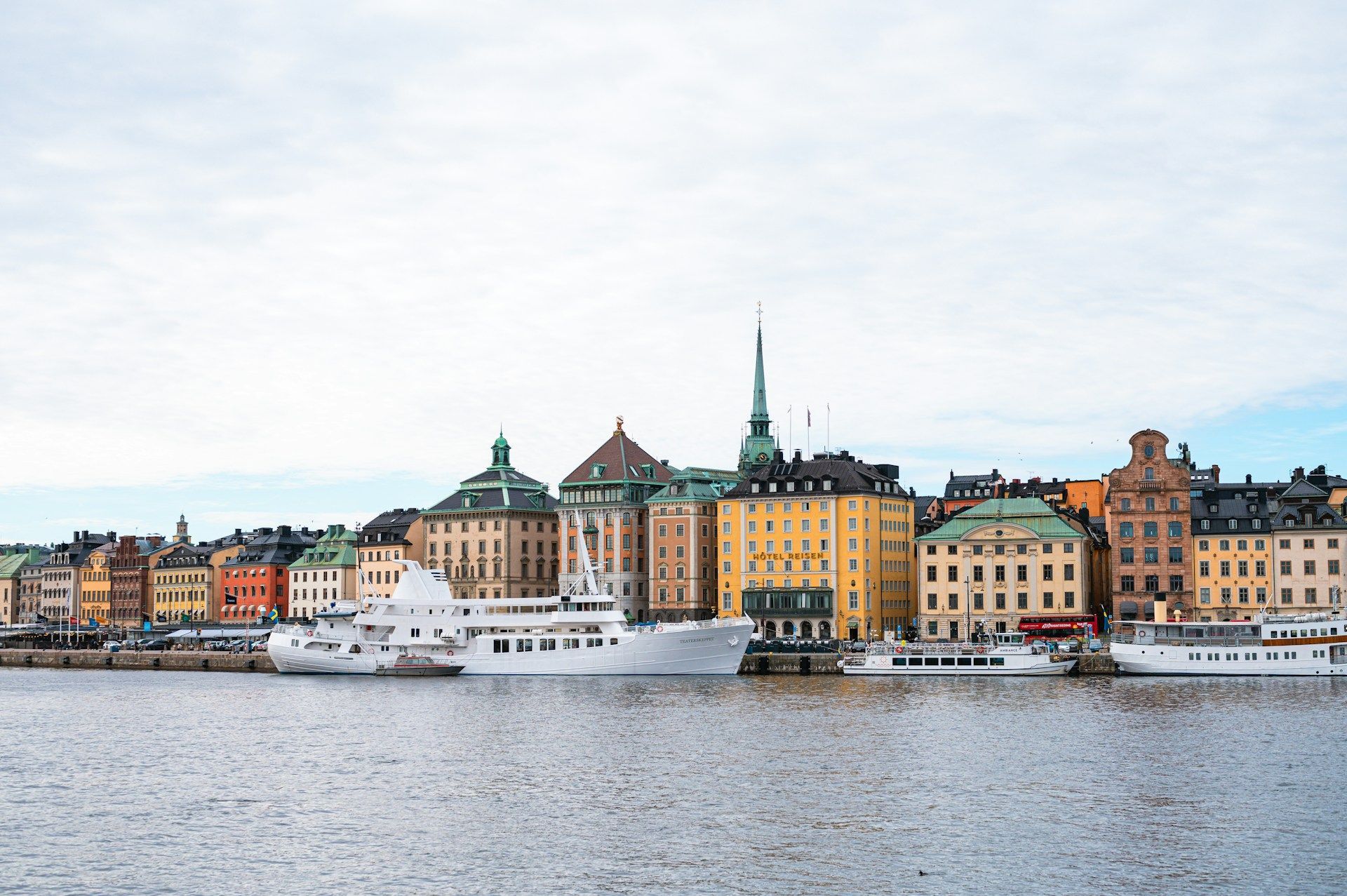
Gamla Stan preserves one of Europe's best-maintained medieval city centers, where narrow lanes and ochre-painted buildings transport you to the 13th century. But Stockholm's architectural story doesn't end with preservation. The city has become known for bold contemporary interventions—like the copper-clad City Library addition or the dramatic glass entrance to the Modern Museum—that engage respectfully with historical contexts while asserting modern design confidence.
The Perfect Architectural Walking Route Through Stockholm's Eras
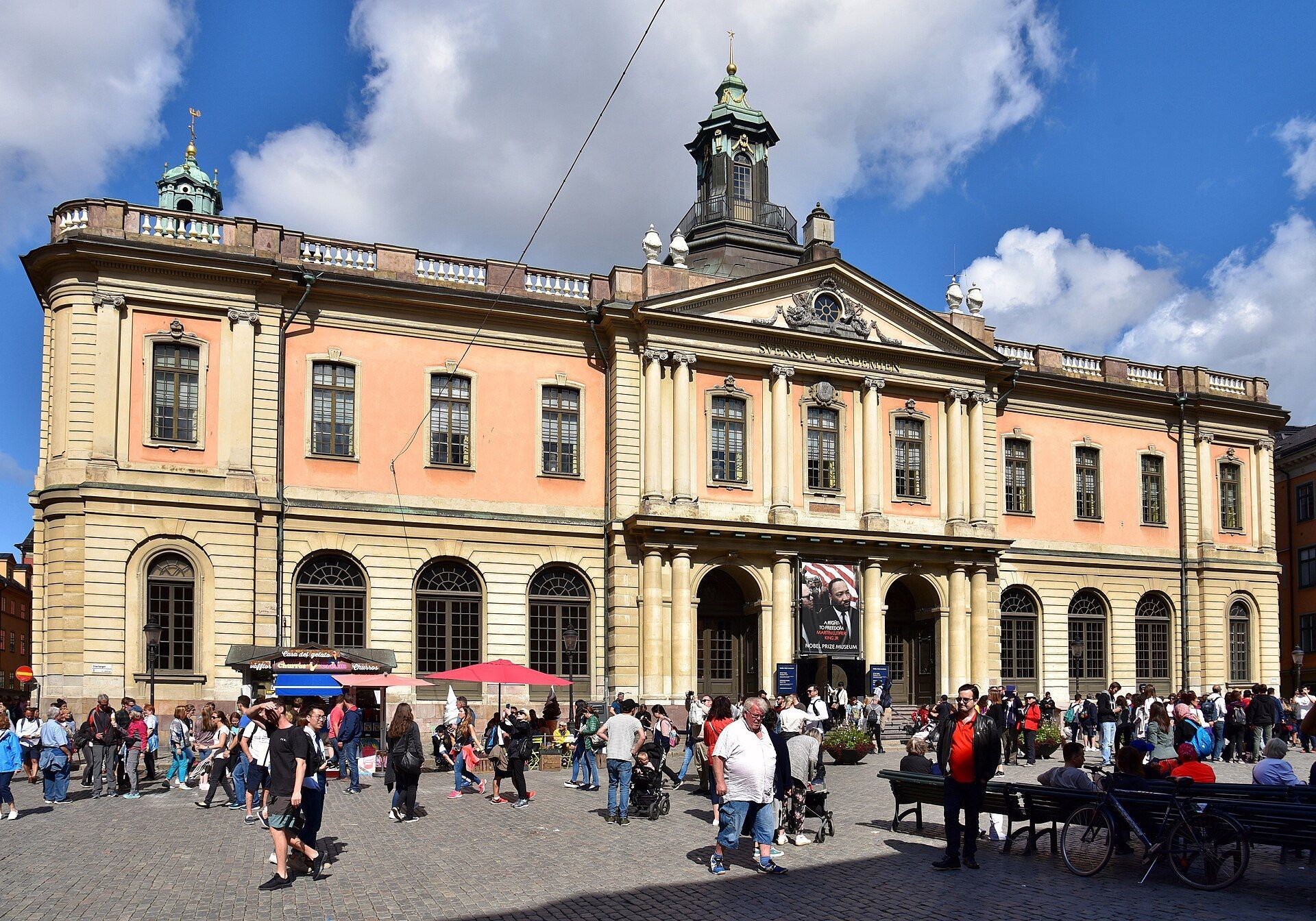
Creating a comprehensive stockholm architecture walking guide means traversing neighborhoods that each represent distinct design periods. Start in Gamla Stan, where Stortorget's colorful merchant houses and the German Church's baroque spire establish medieval and Renaissance foundations. The Royal Palace, completed in 1760, represents Swedish baroque at its most restrained—a massive structure softened by Italian-inspired proportions and waterfront positioning.
Cross to Riddarholmen to encounter the iron-spire Gothic silhouette of Riddarholmen Church, Stockholm's oldest building, before heading north toward Norrmalm. Here, the architectural narrative accelerates through centuries. The Stockholm Concert Hall (1926) showcases Swedish neoclassicism in brilliant blue, while nearby streets reveal the functionalist transformation that followed.
This is precisely where self-guided exploration becomes invaluable—and why WandrCity's "Stockholm – The City of Islands" tour works beautifully for architecture enthusiasts. The app's 24 stops trace this exact architectural evolution from Central Station through Norrmalm and Gamla Stan to Södermalm, with immersive audio narration that explains the historical context and design philosophy behind buildings you're actually standing in front of. At just 119 SEK for a one-time purchase, you get architectural insights that reveal why certain buildings look the way they do, how Swedish functionalism emerged, and what stories these structures tell about Stockholm's social evolution. Because there's no fixed schedule, you can pause to photograph details, sketch facades, or simply absorb the proportions at your own pace.
Södermalm's Industrial Reinvention
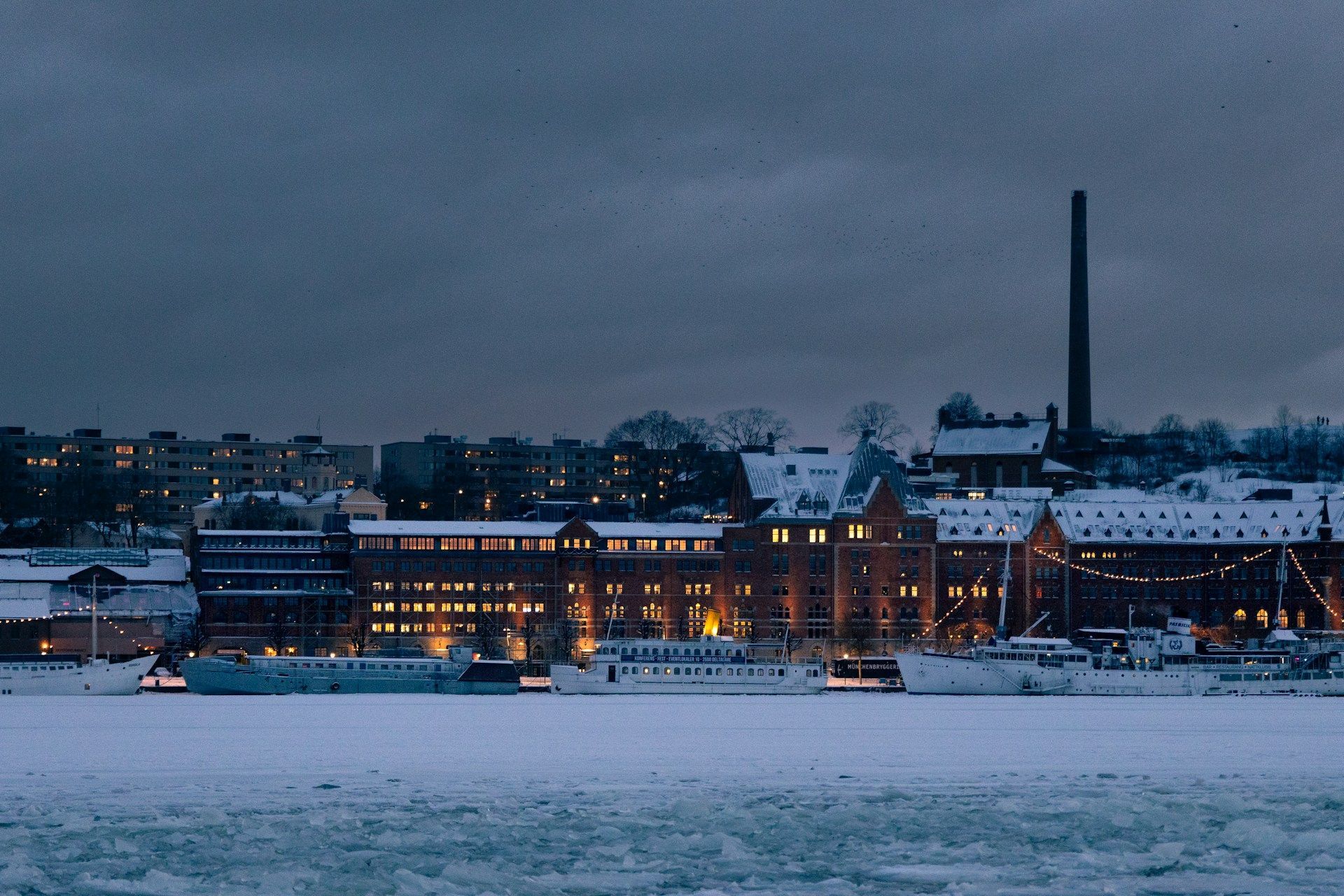
The walking route's conclusion on Södermalm demonstrates Stockholm's talent for adaptive reuse and contemporary design. Former industrial areas like SoFo now showcase how warehouses become creative studios, how waterfront access drives residential innovation, and how new construction engages with 19th-century workers' housing without erasing it. The panoramic views from heights like Monteliusvägen or Fjällgatan let you see the entire architectural timeline spread before you—medieval spires, baroque domes, functionalist blocks, and contemporary glass—all integrated by water and greenery.
Practical Tips for Architecture-Focused Walking
The best light for architectural photography in Stockholm occurs during the golden hours, but the extended summer evenings mean you have flexibility. Bring binoculars to examine roofline details and decorative elements often invisible from street level. Many significant buildings are government offices or apartments, so exterior observation becomes your primary mode of engagement—making narrative context from sources like audio guides particularly valuable.
Consider timing your stockholm architecture walking guide to include strategic interior visits. The Stockholm City Hall offers tours that reveal Ragnar Östberg's National Romantic masterpiece from inside, including the Blue Hall and the gold-mosaic Golden Hall. The Royal Library's reading rooms showcase functionalist interiors, while churches like Storkyrkan allow you to experience medieval spatial design firsthand.
Seasonal Considerations
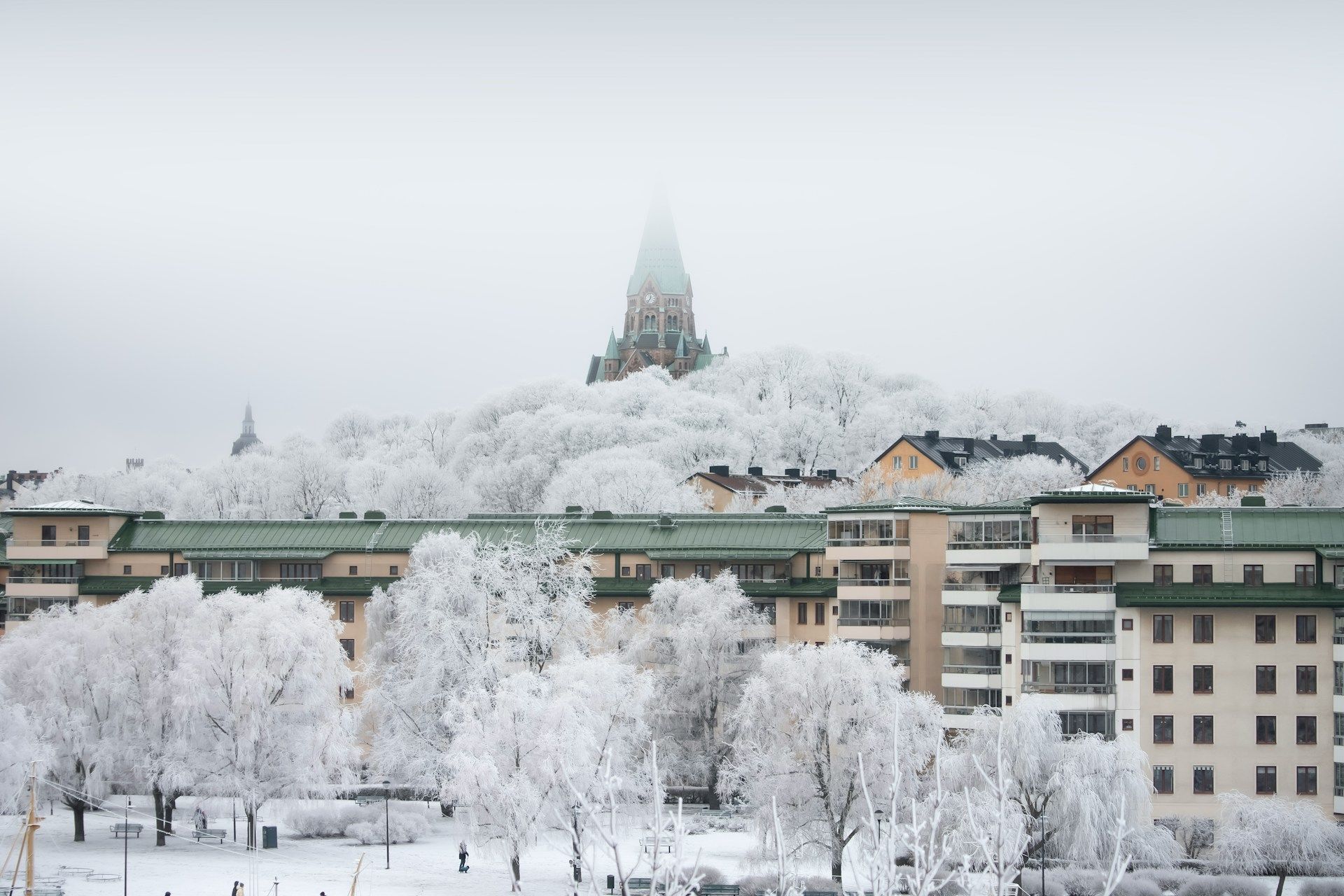
Winter walking reveals building volumes and structural relationships that summer foliage obscures, though abbreviated daylight limits exploration time. Spring and autumn offer comfortable temperatures for extended walking, while summer provides nearly endless light for observation. Each season changes how buildings relate to their environment—winter snow emphasizing horizontal lines and roof forms, summer greenery softening modernist severity.
If you're planning where to base yourself for architectural exploration, choosing the right neighborhood matters significantly. Staying in Norrmalm or Östermalm puts you within walking distance of multiple architectural eras, while Södermalm offers proximity to contemporary design innovations and adaptive reuse projects.
Beyond the Obvious Landmarks
Don't limit your architectural attention to famous structures. Stockholm's residential architecture—particularly functionalist apartment blocks from the 1930s-1950s—demonstrates design democracy at work. The entrance halls, stairwells, and even door handles reflect thoughtful design extending to everyday life. Doorways along streets like Birger Jarlsgatan or in Östermalm neighborhoods reveal Art Nouveau and National Romantic details that reward close observation.
The subway system itself functions as Stockholm's longest art gallery, but architecturally, stations like T-Centralen and Kungsträdgården showcase how 1970s infrastructure became canvas for artistic collaboration. These underground spaces represent another dimension of Stockholm's architectural ambition—the idea that public transit deserves artistic investment equal to museums.
A stockholm architecture walking guide ultimately reveals how buildings embody Swedish values: democratic access, environmental responsibility, and belief that good design improves daily life for everyone. From Gamla Stan's preserved medieval lanes to contemporary waterfront developments, Stockholm demonstrates that respecting architectural heritage and embracing bold innovation aren't contradictory—they're complementary approaches to creating cities that honor both memory and possibility. Walking these streets with awareness of what you're seeing transforms simple sightseeing into understanding how a culture builds its vision of the good life.
Start your journey
in Stockholm
WandrCity is a self-guided audio tour app for Stockholm.
24 stops · Immersive audio narration · 119 SEK one-time
Download on App Store Download on Google Play