
Long before Stockholm became a royal capital, Viking longships carved through the waters where ferries now glide between islands, and fierce Norse traders forged routes that would shape Scandinavia's future. Today, walking through Stockholm's medieval streets and waterfront districts means literally tracing the footsteps of Vikings who lived, traded, and worshipped here over a thousand years ago—if you know where to look.
Explore Stockholm with WandrCity
Self-guided audio app · 24 stops · 119 SEK · No fixed schedule
This Stockholm Viking history sites guide reveals how to discover the city's Norse heritage through a curated walking route that connects ancient runestones, burial grounds, and strategic Viking settlements with the vibrant neighbourhoods standing atop them today. Unlike museum-bound exhibits, these sites let you experience Viking history in its actual landscape—the islands, waterways, and stone foundations that made Stockholm strategically irresistible to Norse settlers.
Understanding Stockholm's Viking Foundation
Stockholm's name itself hints at its Viking origins: "stock" (log) and "holm" (islet) likely refers to the defensive log barriers Vikings erected in these strategic waters. While the city wasn't officially founded until 1252, archaeological evidence confirms Norse presence in the archipelago centuries earlier. The Vikings recognized what modern visitors immediately notice—this cluster of islands offered perfect control over Lake Mälaren's access to the Baltic Sea, making it invaluable for both trade and defense.
The most tangible Viking remnants aren't in Stockholm's city centre but woven into the broader landscape. Gamla Stan (Old Town) sits atop medieval foundations, but the surrounding islands and mainland areas preserve genuine Viking-era artifacts. Understanding this geographic reality transforms how you explore—Stockholm's Viking history sites guide you outward from the tourist core to locations where Norse settlers actually lived and died.
Runestones: Stockholm's Viking Time Capsules
Runestones represent the most direct connection to Viking voices. These memorial stones, carved with runic inscriptions between the 10th and 12th centuries, commemorate journeys, deaths, and achievements. While Sweden holds roughly 3,000 runestones (the world's largest concentration), several significant examples sit surprisingly close to central Stockholm.
The Granby Runestone, located in northern Stockholm near Järva, tells of a Viking named Germund who died "in the east"—likely during expeditions to present-day Russia. The Skarpnäs Runestone in Djurgården's eastern reaches commemorates bridge-building projects, revealing how Vikings engineered infrastructure across this watery landscape. These aren't replicas—you're reading words carved by Viking craftsmen over a millennium ago.
Walking Viking Stockholm: From Settlement to Modern City
For travellers wanting to experience Stockholm's Viking heritage authentically, a self-paced walking approach works best. Museum exhibits provide context, but nothing compares to standing where Vikings stood, watching the same water routes they navigated, and recognizing how their strategic choices shaped the modern city.
The WandrCity audio tour offers an ideal companion for this historical exploration. While the self-guided Stockholm walking tour covers 24 stops from Central Station through Gamla Stan to Södermalm, the immersive audio narration contextualizes how Viking-era decisions influenced medieval development. At 119 SEK for the complete tour with no fixed schedule, you can pause at locations resonating with Viking history, then continue at your own pace—exactly how historical exploration should work.
Gamla Stan: Built on Viking Strategy
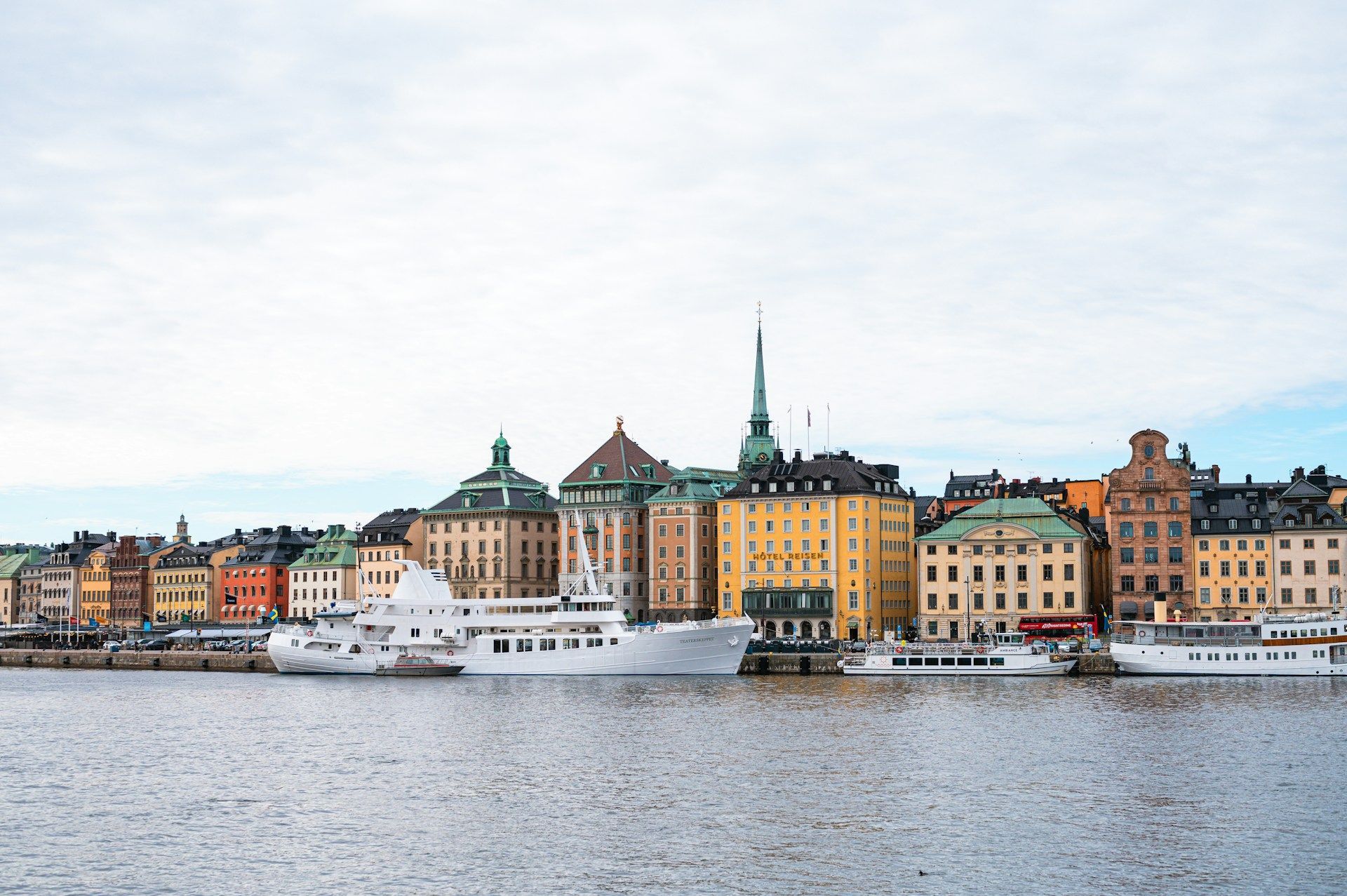
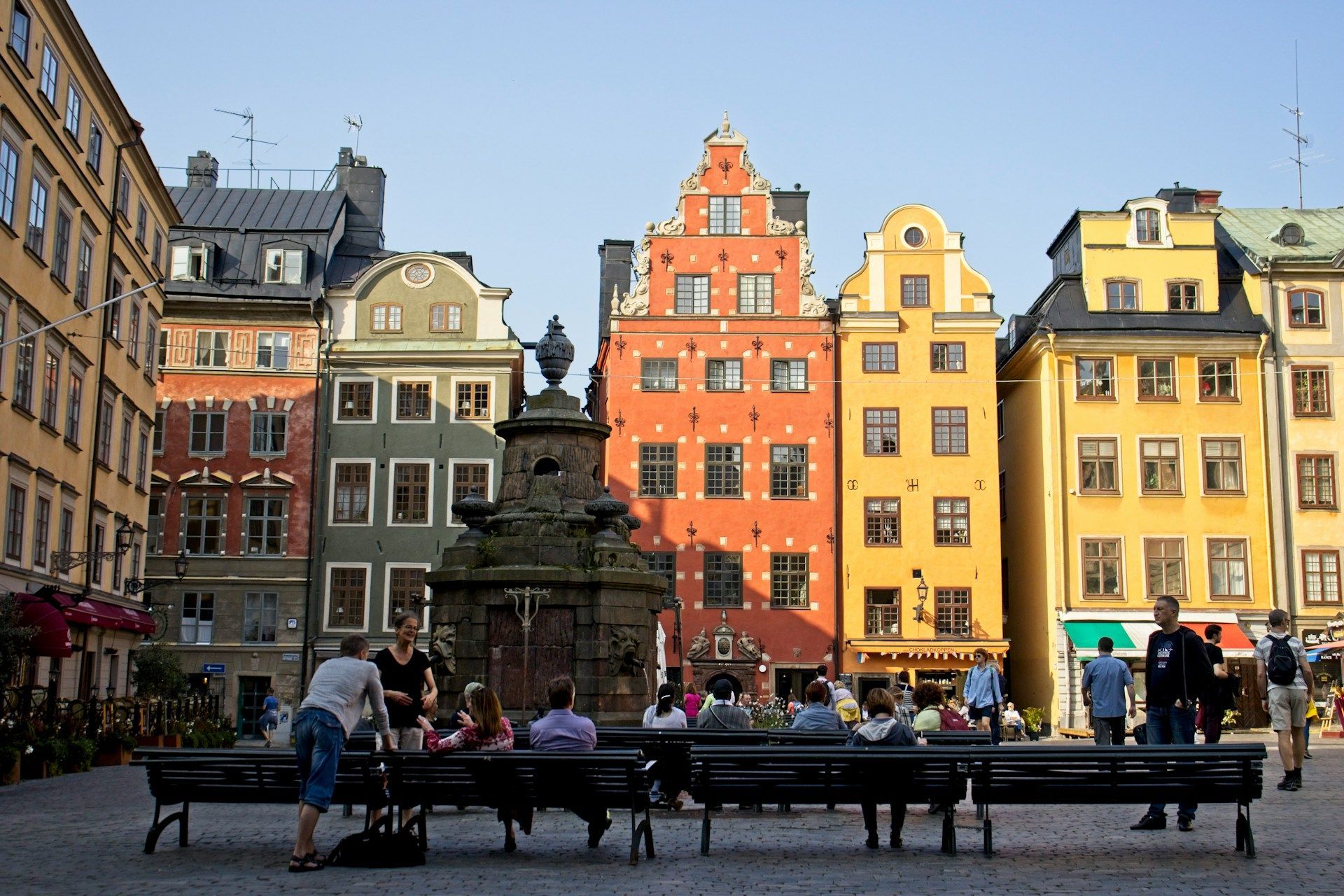
Though Gamla Stan's current buildings date from the 13th century onward, the island's strategic importance was Viking-recognized centuries earlier. Walking its narrow cobblestone lanes—many following medieval street plans—you're tracing pathways determined by Viking-era geography. The island's position allowed control over ship traffic between Lake Mälaren and the Baltic, the exact advantage Norse traders and warriors sought.
Near Storkyrkan (Stockholm Cathedral), archaeological excavations revealed remnants predating the official city founding, including artifacts suggesting 11th-century habitation. While you can't access the dig sites, understanding this layered history transforms wandering Gamla Stan from tourist activity into genuine historical investigation. The Stockholm tour map feature in WandrCity helps visualize how these islands connected in Viking times versus today's bridged cityscape.
Birka: The Essential Day Trip
For the most comprehensive Viking experience near Stockholm, Birka deserves a full day. Located on Björkö island in Lake Mälaren (90 minutes by boat from central Stockholm), Birka was Scandinavia's first town and a crucial Viking trading hub from roughly 750 to 975 AD. UNESCO recognizes it as a World Heritage Site, and walking its landscape—scattered with burial mounds, excavation sites, and a reconstructed Viking village—provides unmatched insight into daily Norse life.
The boat journey itself follows Viking trade routes. Upon arrival, you'll explore Sweden's largest Viking-era burial ground (containing approximately 3,000 graves), visit the museum displaying artifacts excavated from the site, and walk paths where merchants from as far as Baghdad once traded silver, glass beads, and silk. Summer visits often include costumed interpreters demonstrating Viking crafts, but even independently, Birka's atmospheric landscape speaks clearly of its Norse past.
Practical Tips for Exploring Stockholm's Viking Heritage
Maximizing your Viking history exploration requires strategic planning. Most runestones and archaeological sites are outdoor locations accessible year-round, but context enhances everything. Visiting the Historical Museum (Historiska museet) before or after your walking exploration provides crucial background—their Viking exhibition is among Europe's finest, displaying weapons, jewelry, and everyday objects that illuminate the runestone inscriptions and burial mounds you'll encounter.
Timing matters for Birka visits. Boats operate late April through late September, with peak season (June-August) offering the fullest programming but largest crowds. May or September visits provide excellent weather with fewer visitors. Book tickets in advance through Strömma, which operates the route and includes guided Birka tours in the price.
- Best walking season: May through September offers warmest weather for outdoor runestone hunting, though Stockholm's Viking sites remain accessible year-round
- Footwear: Comfortable walking shoes essential—cobblestones in Gamla Stan and potentially muddy paths at outdoor runestone locations require proper grip
- Photography: Morning light works beautifully for runestone photography, creating dramatic shadows in carved inscriptions
- Combining interests: Viking exploration pairs naturally with Stockholm churches worth visiting, as several medieval churches occupy former Viking-era sites
Beyond the Obvious: Lesser-Known Viking Connections
The best Stockholm Viking history sites guide extends beyond obvious landmarks. Helgeandsholmen, the tiny island between Gamla Stan and Norrmalm now occupied by Parliament, likely held Viking-era significance given its strategic position. While no visible Viking remains exist there today, recognizing how Vikings would have valued this chokepoint adds dimension to your Parliament House photos.
Similarly, walking Stockholm's waterfront areas—particularly around Södermalm's southern cliffs—reveals why Viking navigators prized this archipelago. The best walking routes in Stockholm often trace shorelines Vikings would have sailed, creating an unexpected historical resonance during contemporary urban exploration.
For travelers planning efficient Stockholm exploration, incorporating Viking sites into a broader itinerary works beautifully. The Stockholm in one day route covers Gamla Stan thoroughly, where understanding the Viking-era strategic importance enriches every medieval building you encounter. Even if time doesn't permit Birka, recognizing the Norse layer beneath Stockholm's surface transforms your entire city experience from sightseeing into genuine historical discovery.
Stockholm's Viking heritage isn't locked behind museum glass—it's embedded in the landscape itself, visible to anyone who knows how to read the islands, waterways, and ancient stones. Whether you're exploring weathered runestones in quiet suburbs, walking Gamla Stan's medieval lanes shaped by Viking geography, or taking the boat to Birka's atmospheric burial grounds, you're connecting directly with the Norse settlers who recognized this archipelago's potential a thousand years before cruise ships arrived. The best Stockholm Viking history sites guide isn't a list of attractions—it's an invitation to see the entire city through Viking eyes, understanding how their strategic brilliance created the foundation for one of Europe's most beautiful capitals.
Start your journey
in Stockholm
WandrCity is a self-guided audio tour app for Stockholm.
24 stops · Immersive audio narration · 119 SEK one-time
Download on App Store Download on Google Play