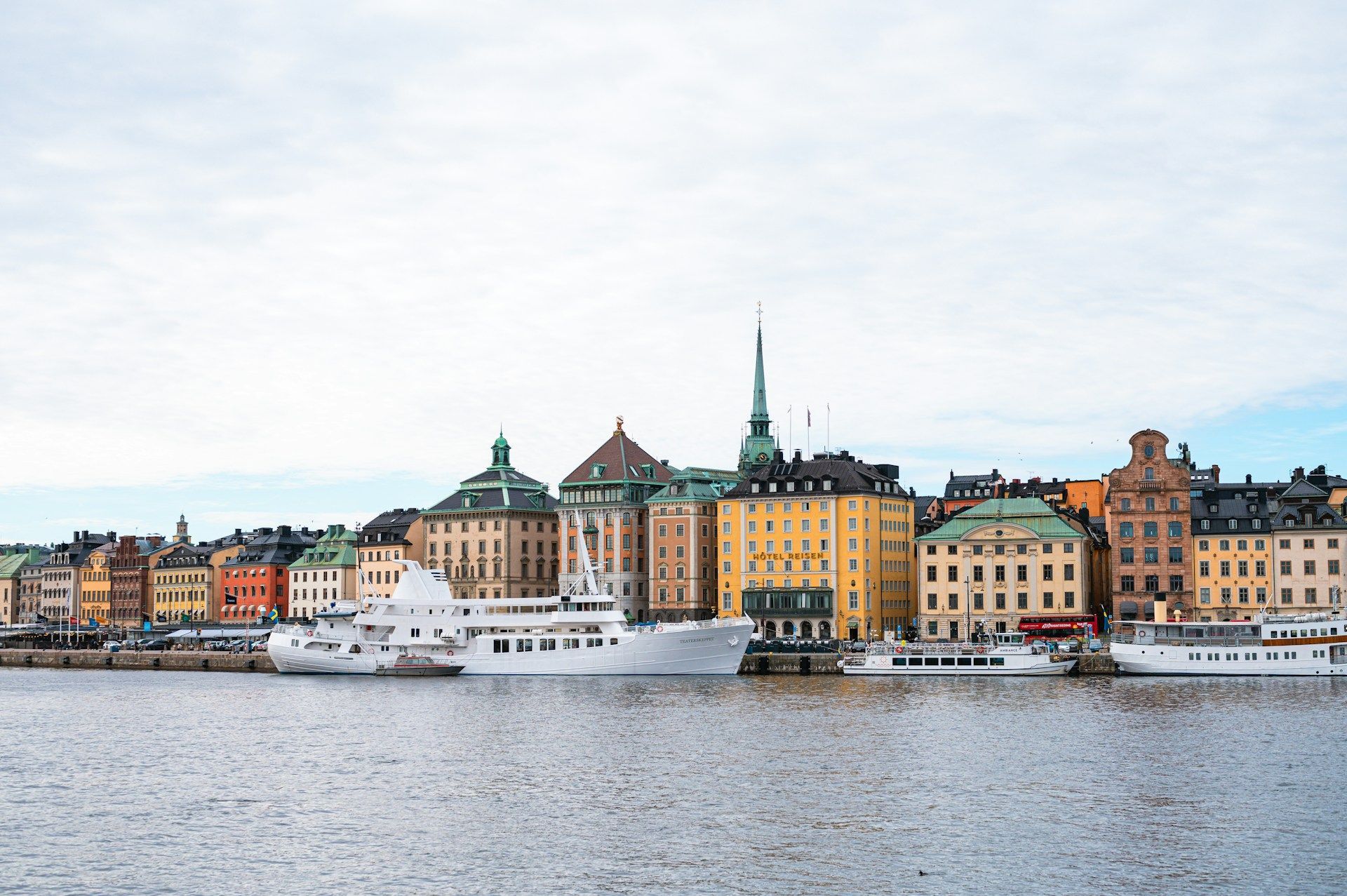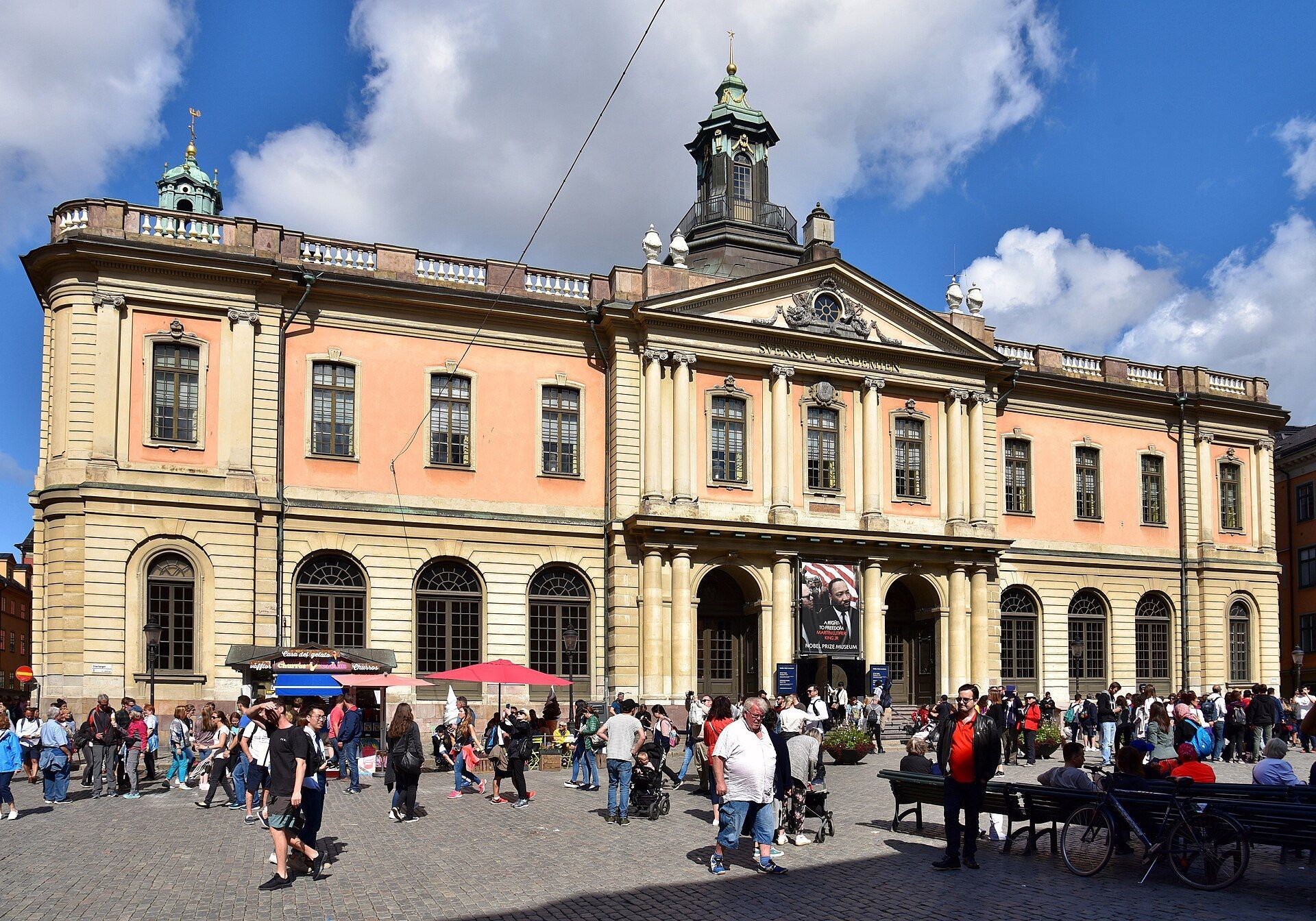


Stockholm might be the only European capital where you can walk from island to island, breathe some of the continent's cleanest air, and barely leave a carbon footprint while discovering Viking history, waterfront cafés, and forest trails—all within city limits.
Explore Stockholm with WandrCity
Self-guided audio app · 24 stops · 119 SEK · No fixed schedule
For travelers committed to sustainable tourism, Stockholm offers something rare: a walkable urban landscape where environmental consciousness isn't an afterthought but woven into the city's DNA. With over 30% green space, pedestrian-friendly streets connecting 14 islands, and a culture that celebrates slow travel, the Swedish capital proves that Stockholm sustainable travel tips walking aren't just buzzwords—they're the best way to experience this remarkable city.
Why Walking Is Stockholm's Most Sustainable Superpower
Stockholm's compact geography makes it one of Europe's most naturally walkable capitals. The entire central area—from Norrmalm through Gamla Stan to Södermalm—covers just 5 kilometers, yet contains centuries of history, architecture, and culture. Unlike sprawling cities where sustainable travel feels like a compromise, Stockholm rewards walkers with shorter distances, safer pedestrian infrastructure, and genuinely interesting sights at every turn.
The environmental mathematics are compelling. A typical walking tour through Stockholm's central districts produces zero emissions while a comparable bus tour generates approximately 2-3 kg of CO2 per person. Multiply that across millions of annual visitors, and the impact becomes significant. But the benefits extend beyond carbon calculations—walking supports local businesses, reduces noise pollution, and connects you to Stockholm's rhythm in ways that motorized transport simply cannot.
The Hidden Eco-Friendly Spots You'll Only Find on Foot
Stockholm's greenest secrets hide in plain sight, accessible only to those willing to slow down. Take the narrow passages of Gamla Stan, where 13th-century alleyways like Mårten Trotzigs Gränd (Stockholm's narrowest street at just 90 centimeters wide) lead to small courtyards where local artisans sell handmade goods using traditional, low-impact methods. These vendors don't appear in guidebooks or on bus routes—they're part of the fabric you discover by wandering.
The Djurgården island exemplifies Stockholm's commitment to accessible green spaces. This former royal hunting ground now serves as the city's ecological heart, with forests, waterfront paths, and museums all reachable on foot or bicycle. The island itself is largely car-free, making your walk through its trails and meadows feel worlds away from urban life, despite being just 20 minutes from Central Station.
For those seeking Stockholm's best parks and gardens, the route from Kungsträdgården through Humlegården to Vasaparken creates a green corridor where locals jog, picnic, and practice outdoor yoga year-round. These aren't manicured tourist attractions but living community spaces that demonstrate how Stockholm integrates nature into daily urban life.
How WandrCity Makes Sustainable Exploration Effortless
The challenge with sustainable travel often comes down to logistics—how do you navigate unfamiliar streets, understand what you're seeing, and avoid getting lost without constantly pulling out a phone or printed map? This is where technology designed for walkers changes everything.
WandrCity's self-guided audio tour "Stockholm – The City of Islands" was built specifically for travelers who want the environmental benefits of walking with the rich context of a guided experience. The tour covers 24 stops from Central Station through Norrmalm and Gamla Stan, ending at Södermalm with panoramic views across the city's islands. At each stop, immersive audio narration plays automatically via GPS, sharing stories about Stockholm's history, architecture, and culture while you take in the actual views—no reading from your screen required.
What makes this approach perfect for sustainable travelers? There's no fixed schedule, no rushing to keep up with a group, and no tour bus idling while passengers take photos. You walk at your own pace, take breaks at cafés you discover along the way, and revisit stops that fascinate you. The entire tour works offline once downloaded, minimizing data usage and battery drain. For just 119 SEK(a one-time purchase), you get unlimited access—far more economical than daily group tours and infinitely more flexible.
The beauty of a self-guided walking tour lies in its sustainability multiplier effect. You're not just reducing your own carbon footprint—you're supporting a model of tourism that doesn't require vehicles, doesn't create congestion, and doesn't concentrate crowds in sensitive historical areas. You become part of Stockholm's pedestrian flow rather than a tourist observing it.
Planning Your Low-Impact Stockholm Journey
Sustainable travel begins before you arrive. When considering where to stay in Stockholm, choose neighborhoods like Södermalm or Vasastan that put you within walking distance of major sights while supporting local residential communities. These areas offer family-run guesthouses, eco-certified hotels, and apartment rentals that contribute to Stockholm's economy more directly than international hotel chains.
Stockholm's public transportation system ranks among Europe's cleanest, but for central sightseeing, your feet often work better. The best walking routes connect seamlessly—waterfront promenades along Strandvägen, the bridge-hopping path from Norrmalm to Södermalm via Gamla Stan, and the quiet residential streets of Östermalm where you'll find vintage shops and zero-waste stores.
Practical Stockholm Sustainable Travel Tips for Walking Enthusiasts
Timing matters when implementing stockholm sustainable travel tips walking. Early mornings offer the best conditions—cooler temperatures, fewer crowds, and that particular Nordic light that photographers chase. The historic center sees peak tourist traffic between 11 AM and 3 PM, so planning your walks for morning or late afternoon reduces your contribution to overcrowding while improving your experience.
Supporting Local While You Walk
Every fika break becomes an opportunity for sustainable choices. Stockholm's café culture thrives on neighborhood establishments where beans come from ethical roasters, pastries are baked in-house, and single-use plastics are rare. Locations like Vete-Katten in Norrmalm (operating since 1928) or Café String in Nytorget represent the kind of local businesses that walking tourism naturally supports—you wouldn't find these gems from a tour bus window.
Water refills are free throughout Stockholm, with public fountains in parks and cafés happily filling your reusable bottle. The city's tap water comes directly from Lake Mälaren and rates among Europe's cleanest—there's absolutely no need for bottled water. This simple practice eliminates plastic waste while keeping you hydrated during longer walks.
Seasonal Considerations for Year-Round Walking
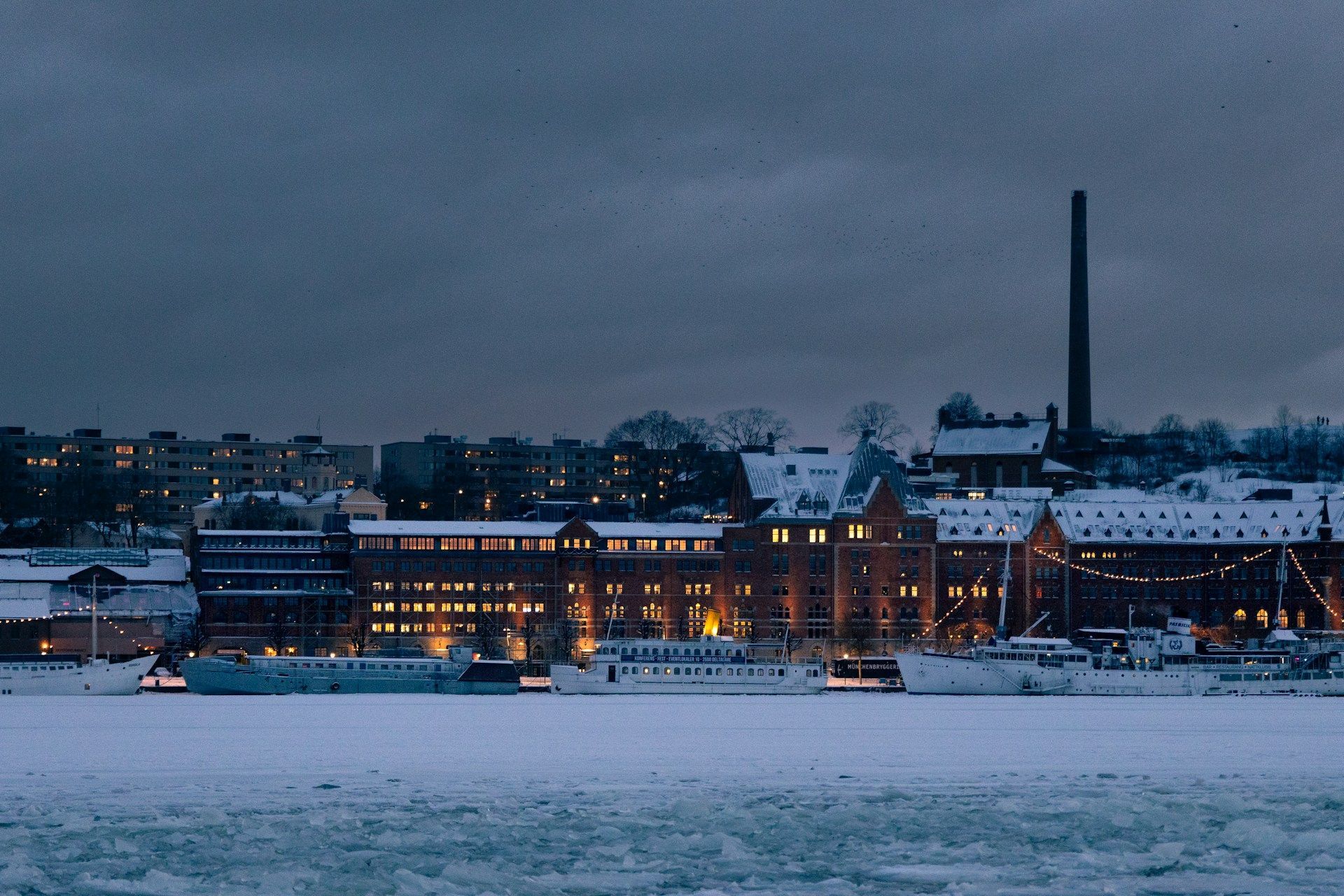
Stockholm's walkability doesn't hibernate in winter. The city maintains pedestrian paths meticulously, and winter walking reveals a different side of the capital—Christmas markets in Gamla Stan, ice formations along the waterfront, and the cozy warmth of museums and cafés that punctuate your route. Proper layering makes shoulder-season exploration not just possible but magical, with fewer tourists and locals reclaiming their city.
Summer brings nearly endless daylight, allowing walks that extend into evening without losing light. The midsummer period transforms Stockholm's parks into spontaneous gathering spaces, and walking between these celebrations offers insights into Swedish culture that no structured tour can match.
Navigating Responsibly
Digital tools designed for walkers minimize the environmental cost of navigation. WandrCity works offline, but even when using maps or researching hidden local spots, downloading information on WiFi rather than streaming data reduces energy consumption. Small choices compound—using airplane mode between stops, dimming screens, and relying on audio cues rather than constant visual checking all extend battery life and reduce your digital footprint.
Stockholm rewards sustainable travelers with experiences that align values with action. Walking these islands isn't a sacrifice or a lesser alternative to motorized touring—it's genuinely the best way to understand why Stockholm consistently ranks among the world's most livable, lovable, and environmentally progressive cities. Every step becomes both a discovery and a statement about the kind of tourism that cities deserve and travelers increasingly demand.
Start your journey
in Stockholm
WandrCity is a self-guided audio tour app for Stockholm.
24 stops · Immersive audio narration · 119 SEK one-time
Download on App Store Download on Google Play