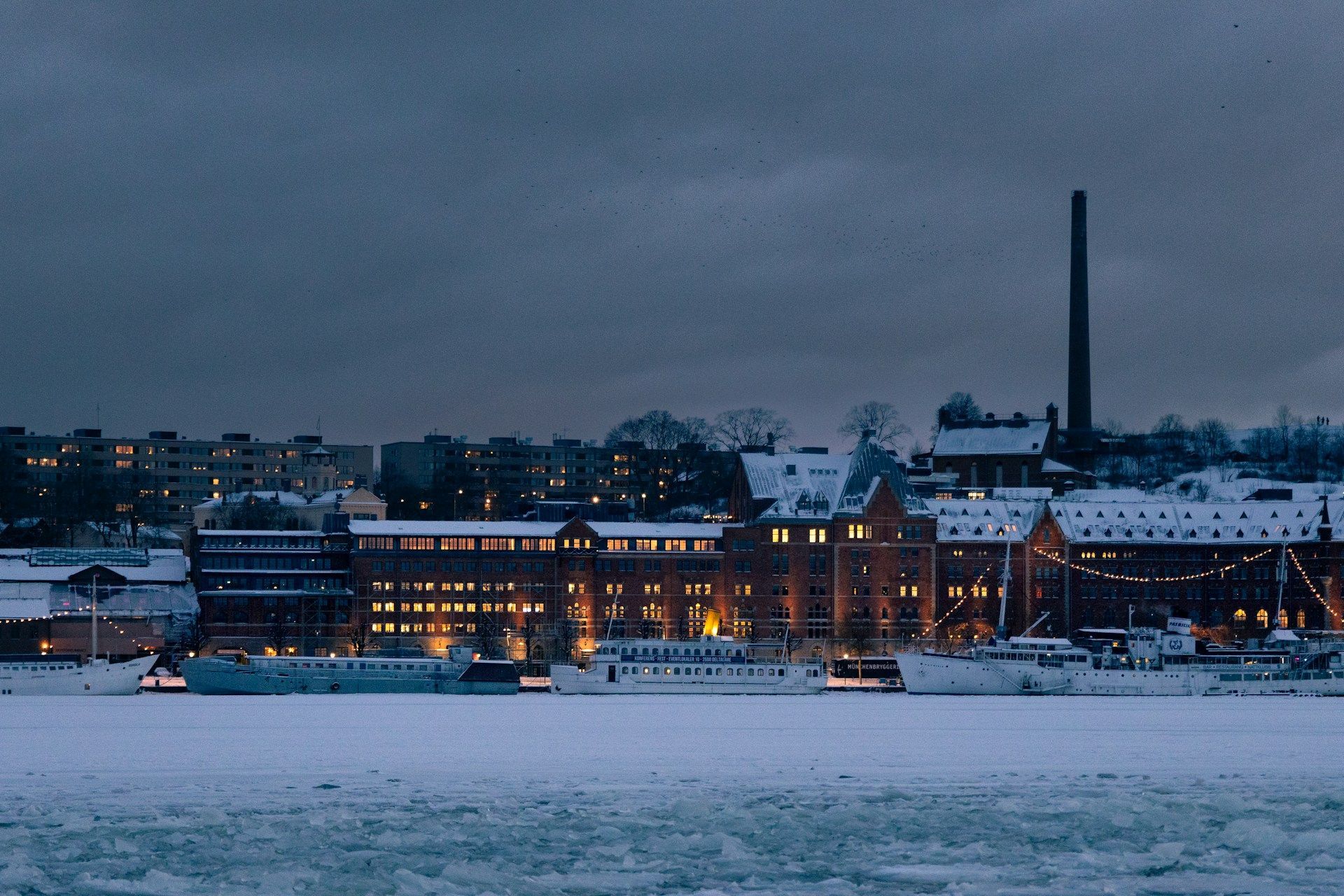

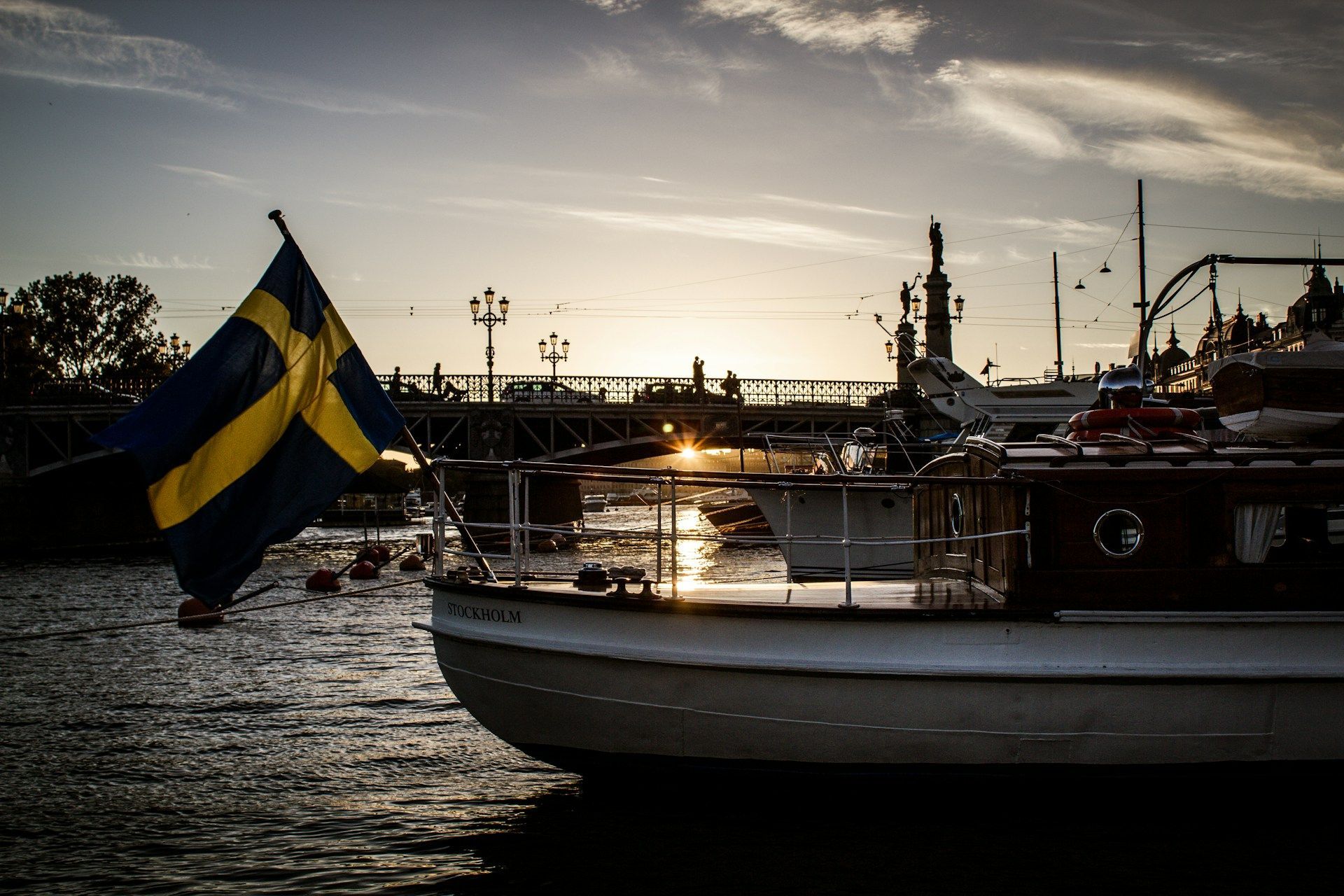
Stockholm isn't just built on islands—it's defined by them, with 14 distinct landmasses woven together by bridges, waterways, and centuries of history that most visitors barely scratch the surface of. While tour buses rush past and boat cruises skim the edges, the real magic happens on foot, where you can trace the archipelago's story from one island to the next, feeling the shift in character as cobblestones give way to bohemian cafés and royal parks unfold beside working waterfronts.
Explore Stockholm with WandrCity
Self-guided audio app · 24 stops · 119 SEK · No fixed schedule
This Stockholm island hopping guide to Södermalm and Djurgården takes you beyond the tourist checklist into a walking journey that connects the city's most compelling islands through their hidden corners, local narratives, and the geography that shaped Swedish history itself.
Why Stockholm's Island Geography Makes Walking the Best Way to Explore
Understanding Stockholm means understanding water. The city sprawls across 14 islands where Lake Mälaren meets the Baltic Sea, creating a unique urban landscape where neighborhoods are separated not by boulevards but by channels, locks, and shimmering passages. This isn't just scenic—it fundamentally changes how you experience the city.
Each island developed its own distinct personality. Norrmalm became the commercial heart, Gamla Stan remained frozen in medieval amber, Södermalm evolved into the creative soul, and Djurgården transformed into Stockholm's green lung. When you walk between them, you don't just change locations—you shift through different eras, social classes, and versions of Swedish identity.
The distances are deceptively manageable. From Central Station to Gamla Stan's northern edge takes 12 minutes on foot. Gamla Stan to Södermalm's heights? Another 15 minutes. This compact scale makes Stockholm island hopping perfectly suited to walking, where each bridge crossing marks a genuine transition rather than arbitrary lines on a map.
Traditional guided tours often rush through these transitions or skip islands entirely. WandrCity's self-guided audio tour solves this beautifully with 24 stops that naturally flow from Central Station through Norrmalm and Gamla Stan, ending at Södermalm's panoramic viewpoints. The immersive audio narration activates automatically at each location via GPS, giving you the insight of a local guide without fixed schedules or group dynamics. At just 119 SEK for a one-time purchase, you get the freedom to pause for fika , explore side streets, or simply sit by the water—all while the tour waits patiently in your pocket.
The Ultimate Walkable Island-Hopping Route: Central Stockholm to Södermalm
Starting Point: Norrmalm and the City's Commercial Heart
Begin at Central Station, where Stockholm's modern story crystallizes. This isn't just a transportation hub—it's where land reclamation, 19th-century ambition, and contemporary commerce converge. Walk east toward Sergels Torg, where the 1960s urban renewal project literally leveled medieval blocks to create the plaza you see today. The controversy still echoes, but the result captures a specific moment in Swedish modernism.
Continue toward Kungsträdgården, the "King's Garden," where Stockholm's class geography becomes visible. This former royal kitchen garden transformed into public space tells the story of Sweden's gradual democratization—aristocratic pleasure grounds opening to everyone. In spring, the cherry blossoms create Instagram chaos, but year-round the park serves as Norrmalm's living room.
Gamla Stan: The Medieval Island Core
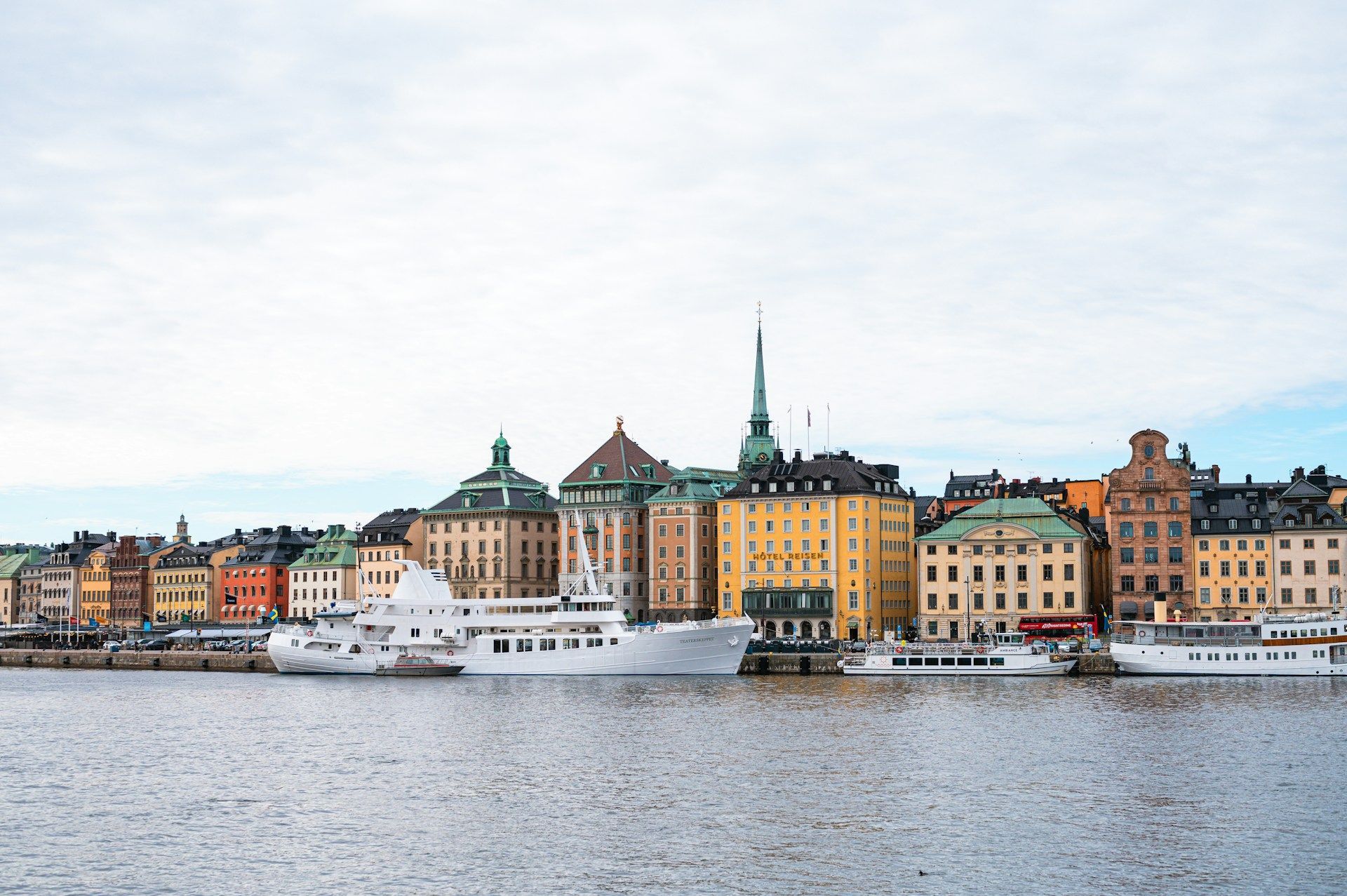
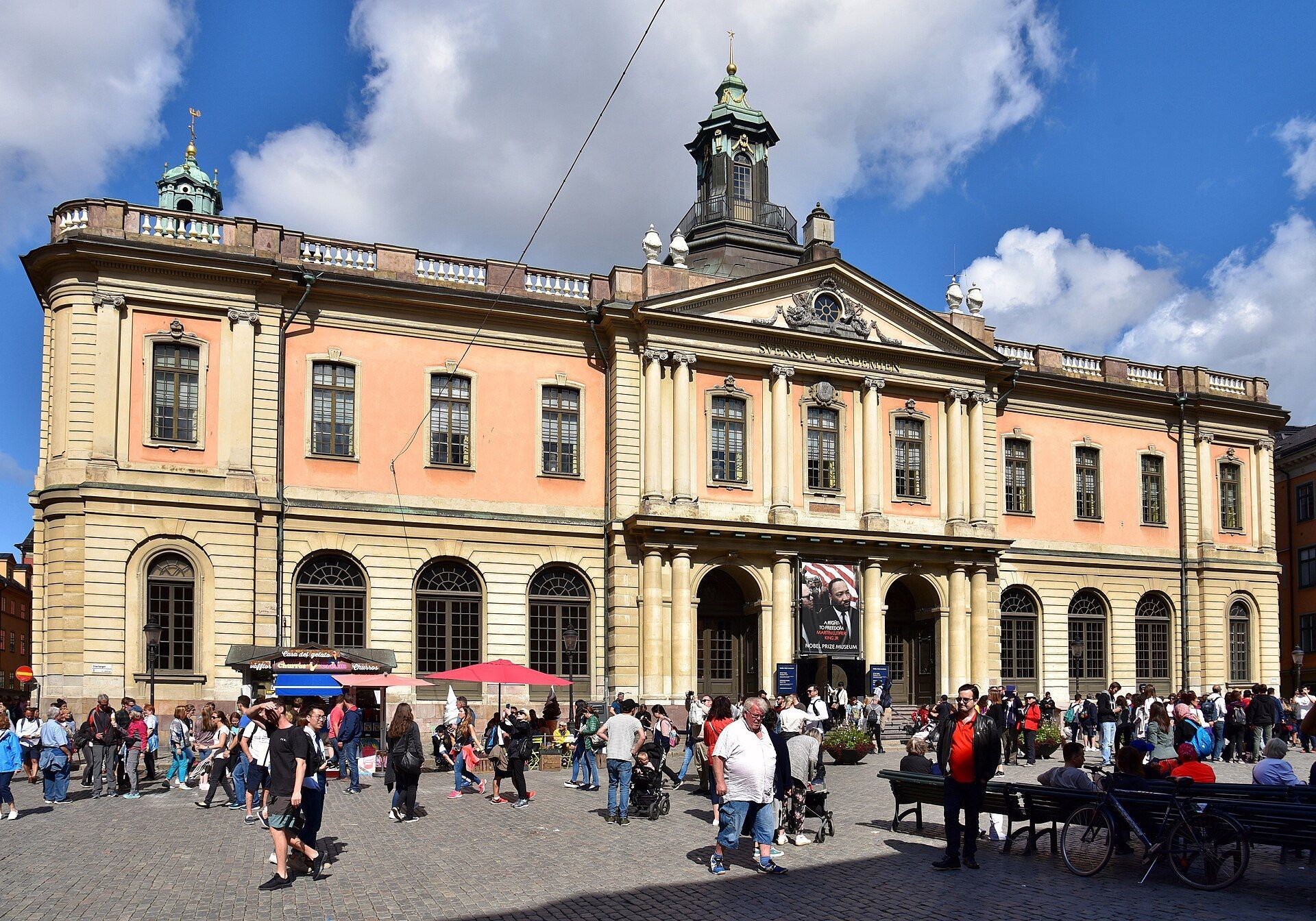
Cross Norrbro bridge and you're suddenly in the 13th century. Gamla Stan isn't an "old town district"—it's the original Stockholm, built on Stadsholmen island when defensive position mattered more than comfort. The narrow lanes (called gränder ) weren't designed for charm but for medieval warfare—tight passages that could be blocked against invaders.
Skip Västerlånggatan's souvenir gauntlet and instead weave through Tyska Brinken and Kindstugatan. These alleys reveal Gamla Stan's German merchant heritage, when Hanseatic traders controlled Baltic commerce from bases exactly like this. The German Church ( Tyska Kyrkan ) still anchors this history with services in German.
The island's southern tip—where Gamla Stan narrows toward Slussen—offers your first glimpse of Södermalm's cliffs rising across the water. This geographical drama explains Stockholm's strategic value: anyone controlling this chokepoint between lake and sea controlled regional trade routes.
Södermalm: Bohemian Heights and Panoramic Views
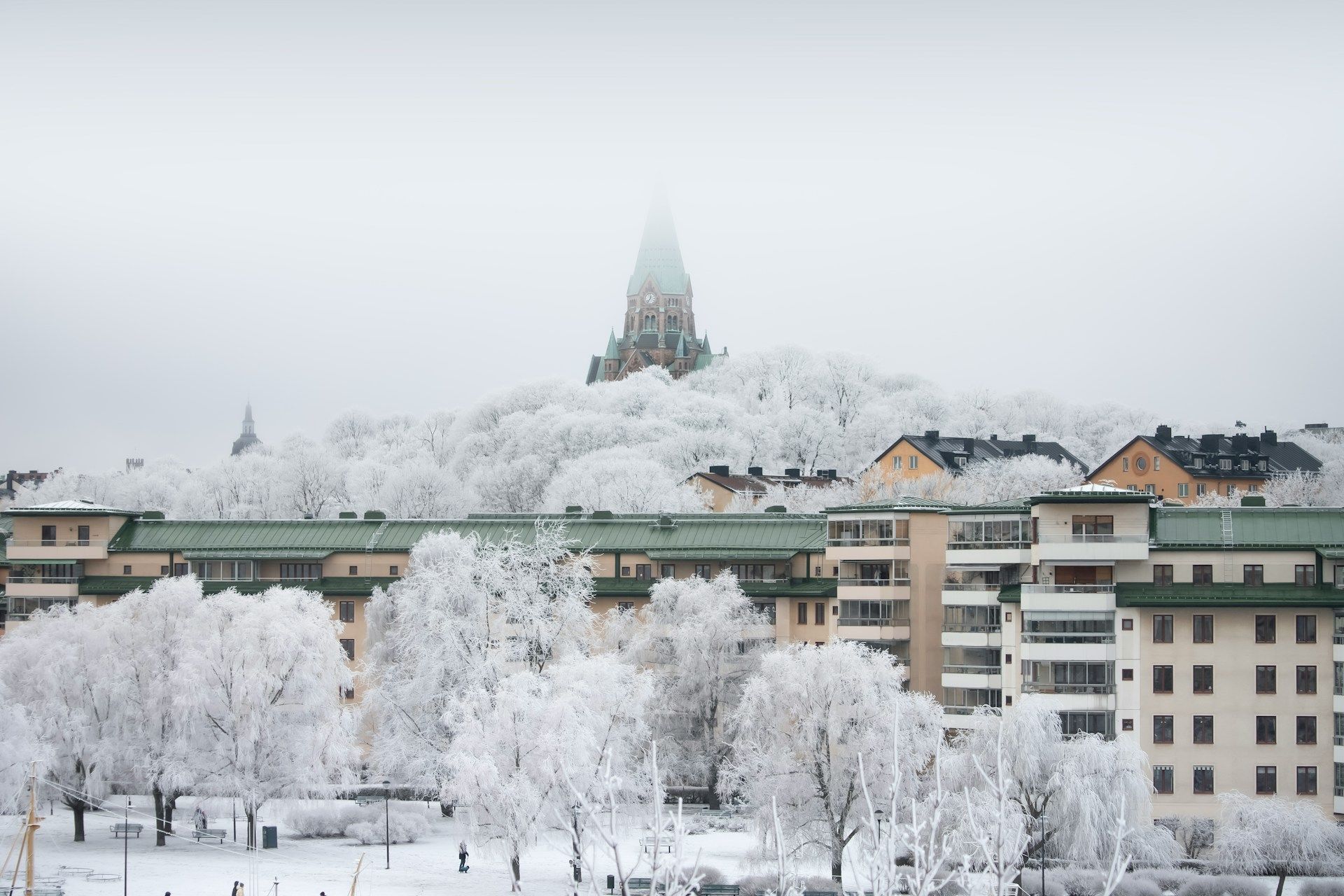
Cross any of the bridges toward Slussen (currently under massive reconstruction) and you immediately climb. Södermalm sits 50 meters above sea level on dramatic bluffs, creating the viewpoints that define Stockholm's visual identity. This elevation isolated the island historically—working class while Gamla Stan housed power—and that independent spirit persists through vintage shops, independent cafés, and creative studios.
Head to Mosebacke Torg for the classic panorama, where the entire Stockholm island hopping route you've walked spreads below: Gamla Stan's terracotta roofs, Norrmalm's modern grid, church spires punctuating the skyline, and water threading through everything. This single viewpoint makes the "city of islands" concept visceral rather than abstract.
For vintage shopping enthusiasts, SoFo (South of Folkungagatan) delivers Stockholm's best secondhand stores, record shops, and design boutiques. For food, Nytorget's surrounding blocks concentrate excellent cafés where locals actually work on laptops rather than posing for photos.
Extending Your Island Journey: Adding Djurgården
While WandrCity's main tour focuses on Stockholm's urban core from Norrmalm through Gamla Stan to Södermalm, completing your Stockholm island hopping guide requires mentioning Djurgården—the royal park island that balances the city's western and southern islands.
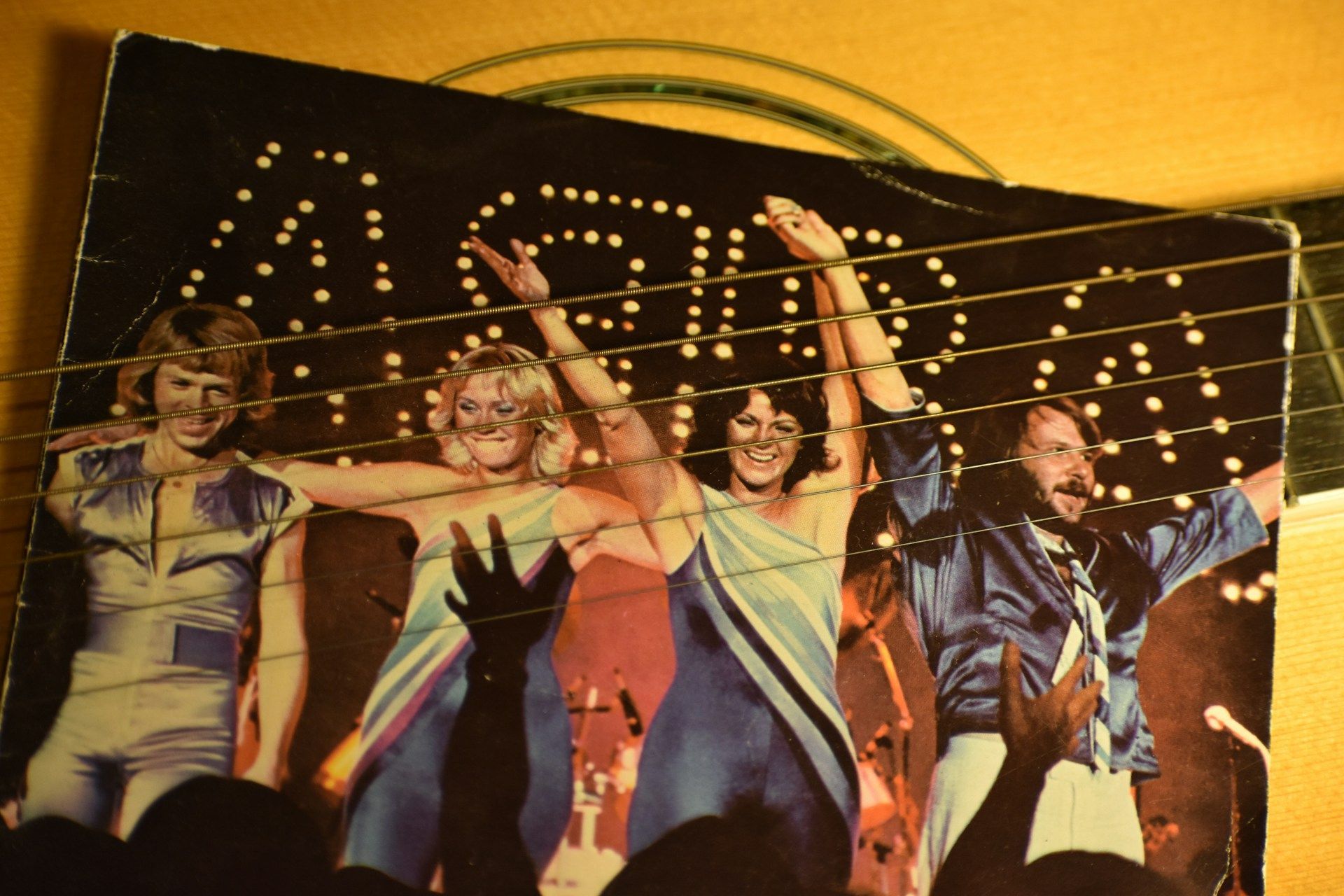
Djurgården sits east of Gamla Stan, accessible via bridge from Östermalm or a charming ferry from Slussen (your current position in Södermalm). This island served as royal hunting grounds for centuries before transforming into Stockholm's museum district and recreational green space. The contrast with dense Gamla Stan or urban Södermalm couldn't be sharper—suddenly you're walking tree-lined paths past the Vasa Museum (housing a perfectly preserved 17th-century warship), Skansen (the world's first open-air museum), and ABBA The Museum.
The walk across Djurgården from west to east—roughly 4 kilometers—takes you from manicured attractions through increasingly wild forest to Waldemarsudde, Prince Eugen's waterfront estate. This progression reveals how Stockholm's islands range from completely built to essentially untouched, all within the city limits.
Many visitors treat Djurgården as a separate day trip, which works well if you're planning your Stockholm itinerary around specific museums. But understanding it as part of the archipelago's geography—another island with its own character shaped by royal history and geographical isolation—completes the picture of how Stockholm's island nature created its modern identity.
Practical Tips for Island Hopping on Foot
Timing matters more than you'd think. The core route from Central Station through Gamla Stan to Södermalm's viewpoints covers roughly 5 kilometers and takes 2-3 hours at a leisurely pace—longer if you stop for fika or explore side streets. Adding Djurgården requires another half-day minimum.
Footwear deserves thought. Gamla Stan's cobblestones are authentically medieval (read: ankle-twisting), and Södermalm's hills mean genuine elevation changes. Comfortable walking shoes aren't optional.
The beauty of a self-guided approach is flexibility around weather. Stockholm's climate shifts quickly—marine air brings sudden showers, but also dramatic light when clouds break. Having a tour that works offline and at your own pace means you can duck into the Fotografiska museum on Södermalm when rain hits, then resume when the sun returns.
For those deciding where to base yourself, staying in Södermalm puts you at the southern end of this route, meaning you can walk it in reverse or in sections. Norrmalm/Vasastan locations place you at the northern start. Both work—Stockholm's compact scale makes the wrong choice nearly impossible.
Walking between Stockholm's islands isn't just efficient sightseeing—it's how you understand why this city exists where it does, shaped by the geography that made it both strategic fortress and trading nexus. Each bridge crossing, each shift from one island's character to the next, each moment when you glimpse water between buildings reminds you that Stockholm remains, fundamentally, a maritime city where land and sea blur into something uniquely Nordic. The archipelago doesn't end at the city limits—it runs through the city's very heart, and the best way to feel that is on foot, at your own pace, with the freedom to pause wherever the story gets interesting.
Start your journey
in Stockholm
WandrCity is a self-guided audio tour app for Stockholm.
24 stops · Immersive audio narration · 119 SEK one-time
Download on App Store Download on Google Play