
Stockholm's beauty shifts dramatically with each season, and choosing when to visit can completely transform your experience — from midnight sun strolls along the waterfront to cozy cafés during the December darkness. Whether you're drawn to summer's endless daylight, autumn's golden forests, winter's magical Christmas markets, or spring's awakening archipelago, understanding Stockholm's seasonal rhythms will help you plan the perfect trip that matches your travel style and budget.
Explore Stockholm with WandrCity
Self-guided audio app · 24 stops · 119 SEK · No fixed schedule
Understanding Stockholm's Four Distinct Seasons
The best time to visit Stockholm Sweden depends entirely on what you want from your journey. This northern capital sits at 59°N latitude, which means dramatic seasonal shifts in daylight, temperature, and atmosphere. Summer brings nearly 18 hours of daylight and bustling energy, while winter offers only about 6 hours of sun but compensates with atmospheric charm and significantly fewer crowds.
Stockholm's weather is surprisingly moderate for its northern location, thanks to the Gulf Stream's warming influence. However, the city's character changes profoundly between seasons, affecting everything from what activities are available to how much you'll pay for accommodation. Understanding these patterns helps you align your visit with your priorities — whether that's perfect weather, budget savings, cultural events, or simply avoiding tourist crowds.
Summer: Peak Season Glory (June-August)
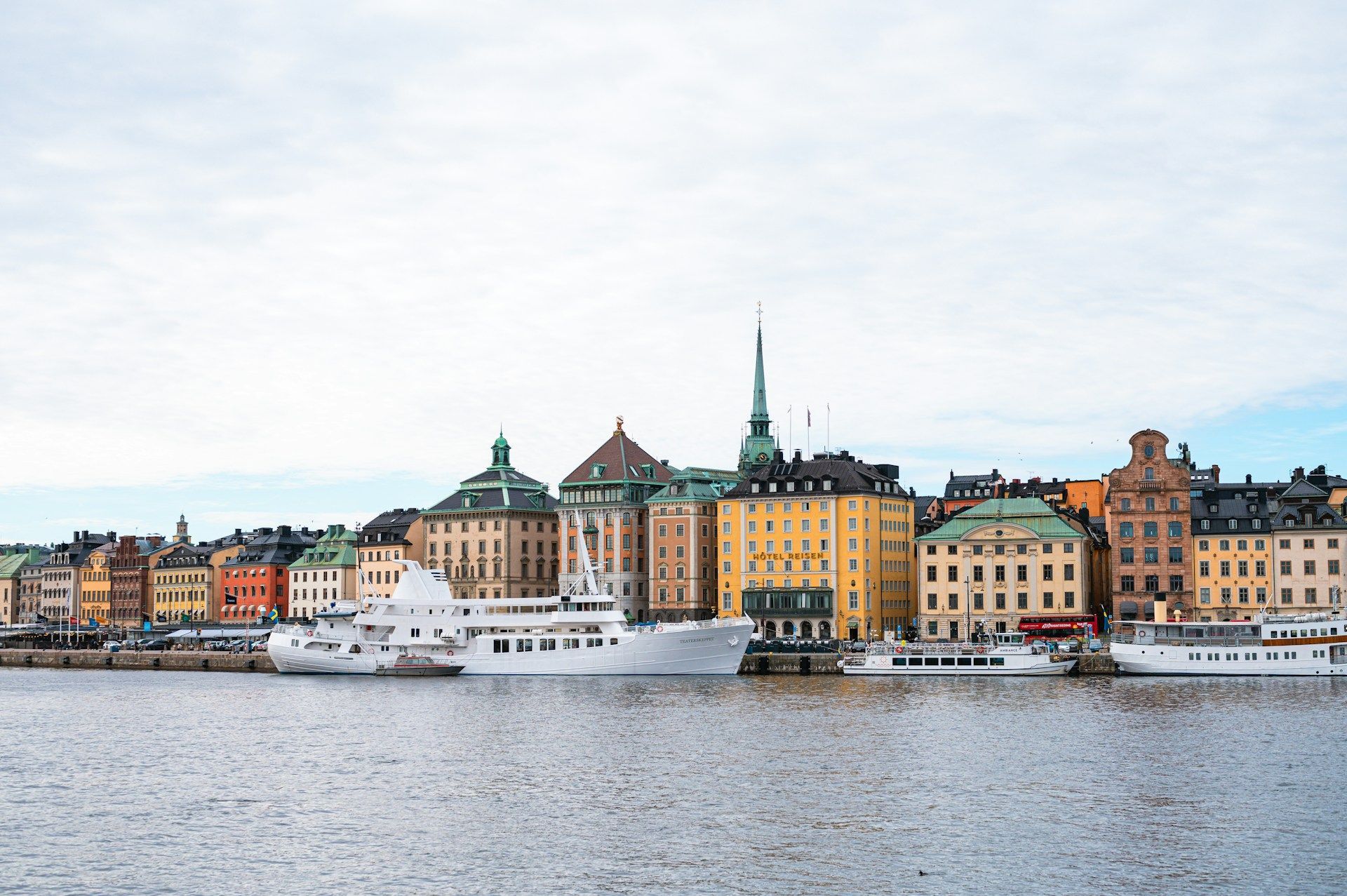
Summer is undeniably Stockholm's most popular season, and for good reason. From late May through July, the city basks in nearly constant daylight, with the sun barely dipping below the horizon during midsummer. Temperatures range from 18-25°C (64-77°F), perfect for exploring the 14 islands that make up the city. Parks burst with locals enjoying picnics, outdoor cafés overflow with life, and the archipelago's 30,000 islands become accessible for day trips.
This is prime time for walking tours, and the WandrCity audio tour shines during these long daylight hours. The 24 stops from Central Station through Gamla Stan to Södermalm work beautifully when you can start late morning and still have plenty of daylight for photography. At just 119 SEK for the one-time purchase, it's considerably more budget-friendly than traditional group tours, which matters when summer accommodation prices peak. The self-paced format means you can pause for impromptu fika breaks at harborside cafés or linger at viewpoints without worrying about keeping up with a group.
The downside? This is when Stockholm is most crowded and expensive. Hotels can cost 50-100% more than off-season rates, and popular attractions like the Vasa Museum require early-morning visits to avoid lines. If you're considering a two-day Stockholm itinerary, book accommodation well in advance for summer travel.
Spring: The Sweet Spot (April-May)
Many seasoned travelers argue that late spring is actually the best time to visit Stockholm Sweden. April and May bring rapidly lengthening days, temperatures climbing to 10-15°C (50-59°F), and cherry blossoms painting Kungsträdgården pink. The city shakes off winter's quiet mood but hasn't yet reached summer's peak crowds or prices.
This shoulder season offers the best of both worlds: pleasant weather for walking tours, spring's fresh energy, and accommodation prices typically 30-40% lower than summer rates. The WandrCity tour works exceptionally well during spring — the immersive audio narration brings Stockholm's history to life while you walk past awakening parks and budding trees, with no fixed schedule constraining your pace. Our spring guide to Stockholm highlights specific locations that shine during these months.
Early April can still be chilly with occasional snow, but by May, you'll find comfortable walking weather and locals emerging from their winter hibernation. Cafés begin setting up outdoor seating, boats start running to the archipelago, and you can genuinely experience Stockholm coming back to life.
Autumn: Golden Light and Fewer Crowds (September-October)
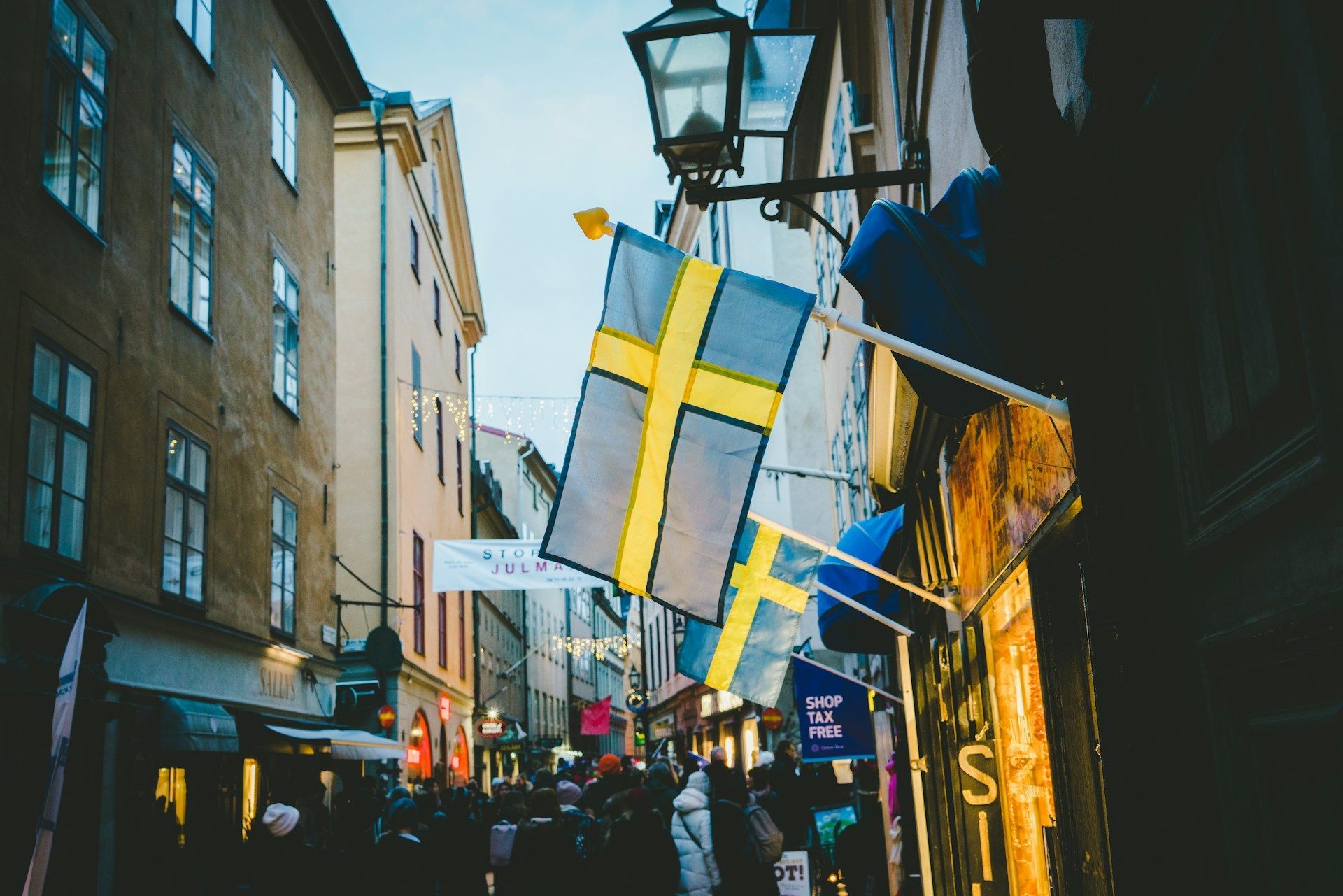
September and early October deliver another excellent window for visiting Stockholm. Temperatures hover around 10-15°C (50-59°F), the notorious summer crowds dissipate, and the city's parks transform into golden and amber tapestries. The slanting autumn light creates magical photography conditions, especially in Gamla Stan's narrow medieval lanes.
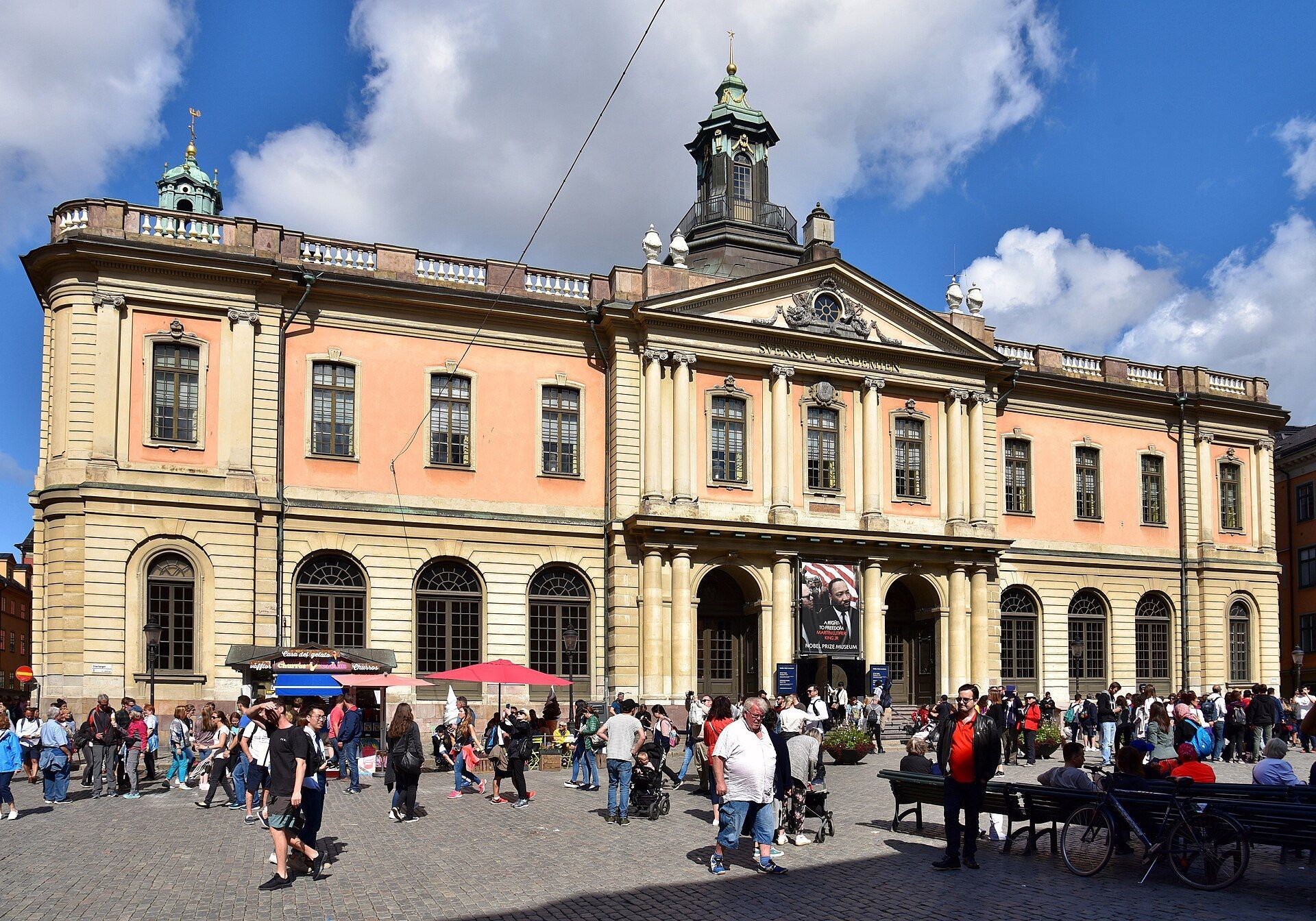
This is an underrated time to explore Gamla Stan's historic streets at your own pace. The atmospheric autumn weather actually enhances the experience of walking through centuries-old neighborhoods while listening to immersive audio narration about Stockholm's past. Hotels return to reasonable rates, restaurants are easier to book, and you'll often have major attractions nearly to yourself on weekday mornings.
By late October, daylight shrinks rapidly and temperatures drop, but if you don't mind bundling up, the cozy atmosphere of cafés and museums becomes particularly appealing. Just pack layers and waterproof shoes — autumn rain is common.
Winter: Magical but Challenging (November-March)
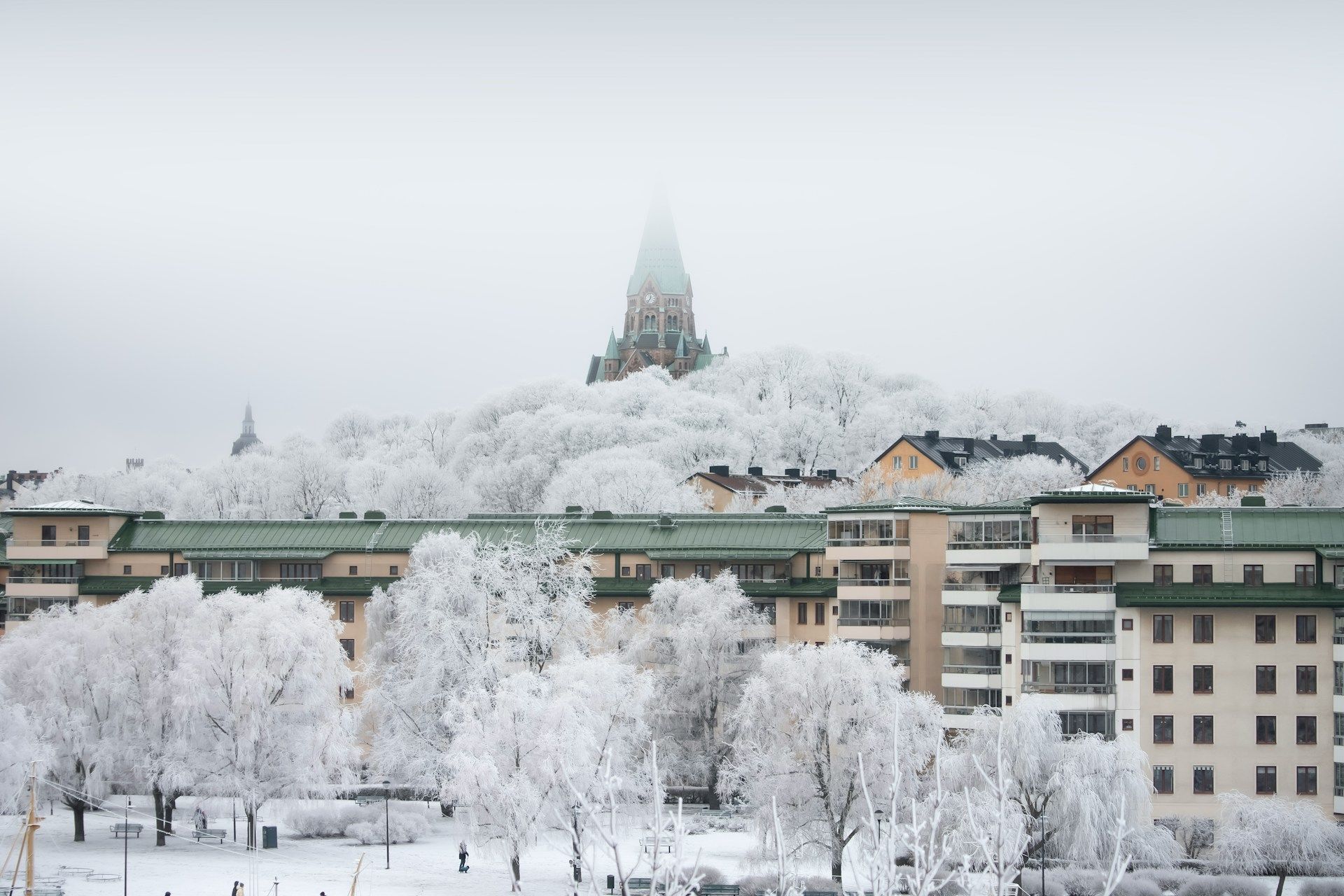
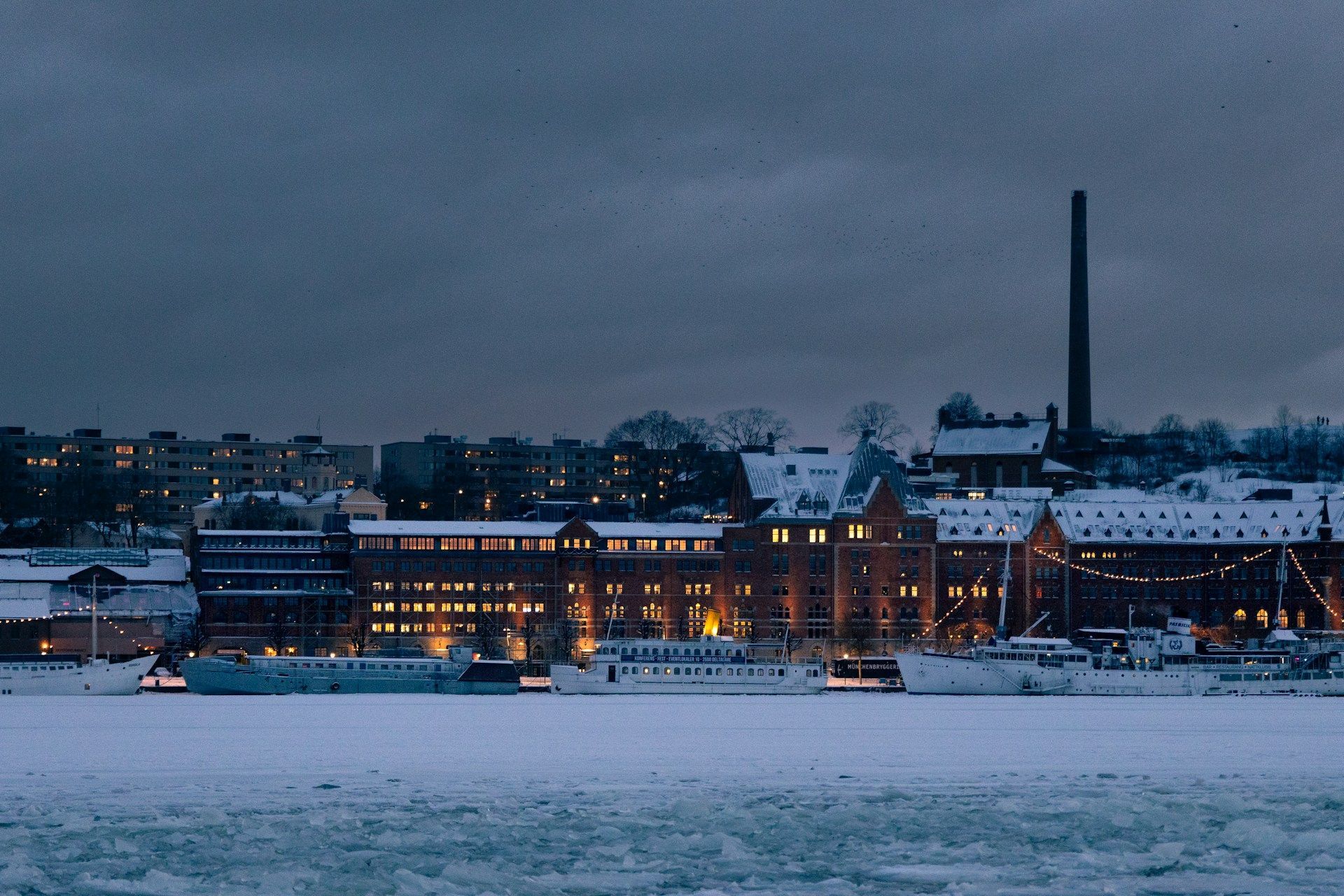
Winter divides visitors sharply. Some find Stockholm's short days (under 6 hours of daylight in December) and temperatures around -3 to 3°C (27-37°F) too challenging, while others embrace the atmospheric darkness, Christmas markets, and frozen archipelago landscapes. If you're wondering about the best time to visit Stockholm Sweden for winter magic, aim for late November through December when Christmas markets transform the city, or February when winter's harshness softens slightly.
The Winter Reality: Pros and Cons
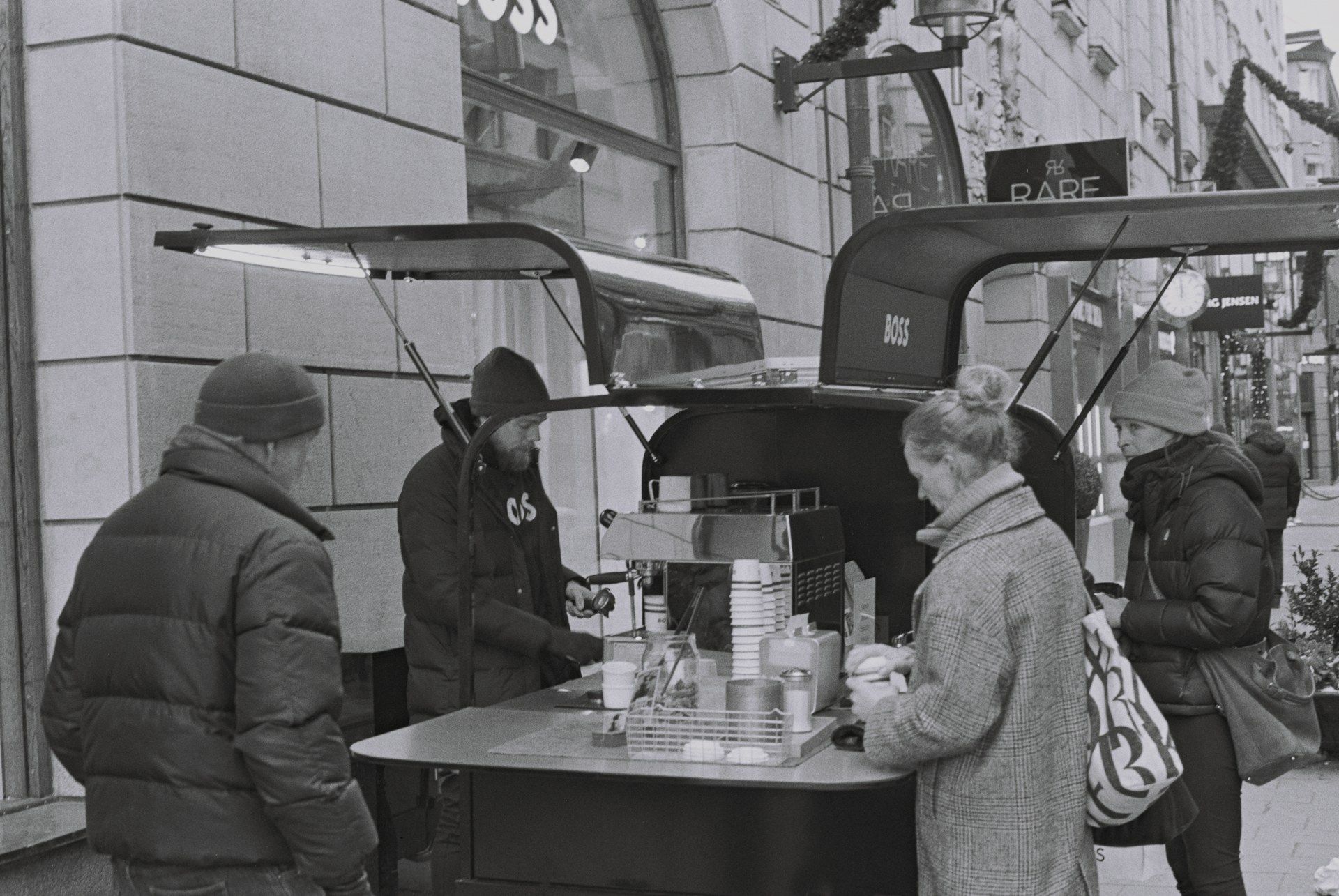
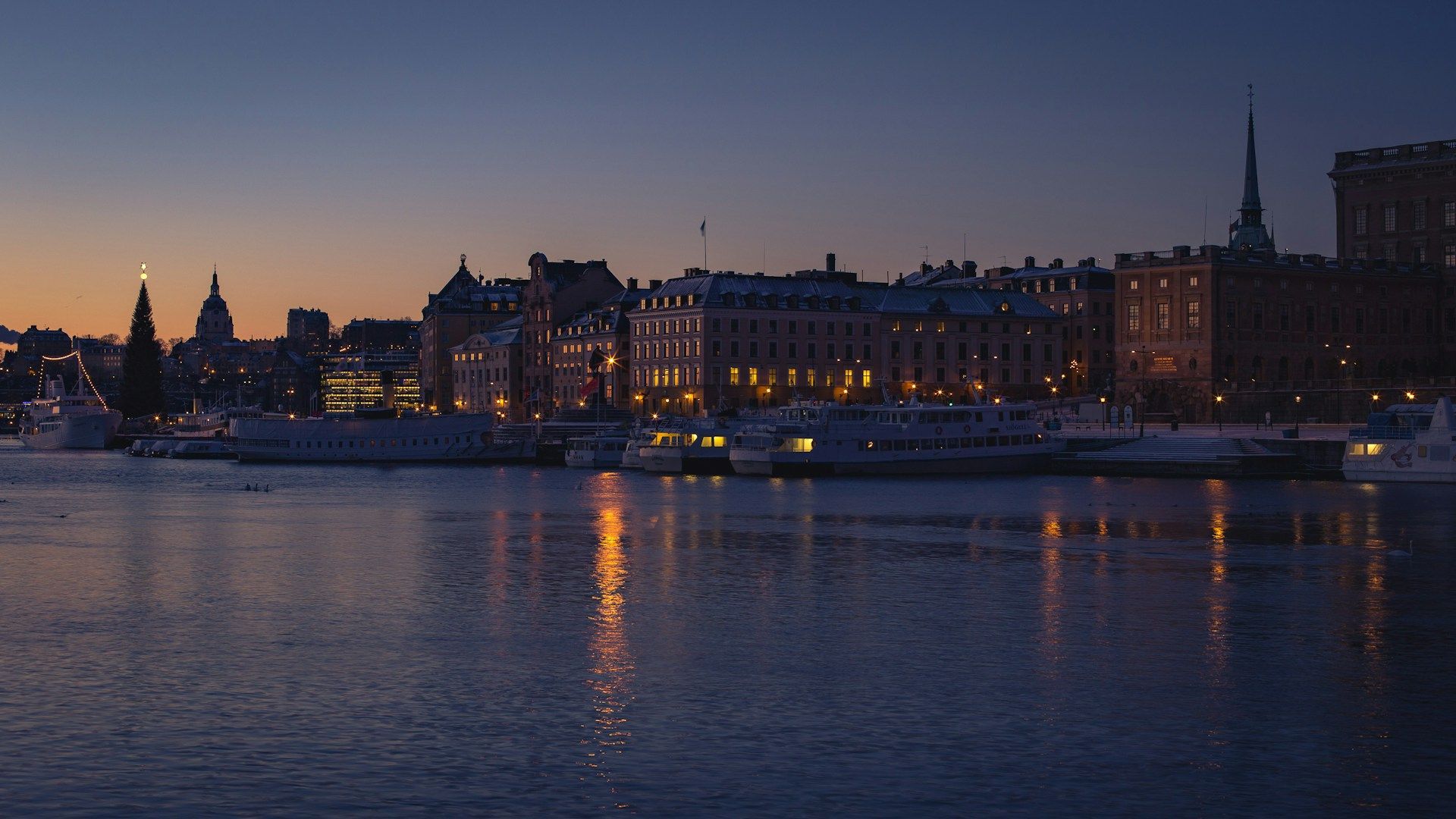
Winter Stockholm offers rock-bottom prices on flights and accommodation — sometimes 60% below summer rates. Cultural attractions remain open, and indoor experiences like museums, concerts, and cozy cafés create their own appeal. The December darkness feels less oppressive when streets glow with Christmas lights, and Gamla Stan's medieval atmosphere intensifies wonderfully under winter skies.
However, outdoor exploration becomes genuinely challenging. Walking tours work best during the brief midday light window, roughly 9:30am-3pm. The WandrCity audio tour adapts well to this constraint since there's no fixed schedule — you can start whenever daylight allows and move at whatever pace the weather demands. The offline functionality means you won't drain your phone battery in cold weather trying to stream content.
January and February are Stockholm's quietest months, with minimal tourism but also limited daylight and the coldest temperatures. If you visit during true winter, focus on Stockholm's excellent museums and save outdoor walking for the few hours of midday light.
Making Your Decision: Matching Season to Your Priorities
The best time to visit Stockholm Sweden ultimately depends on your personal priorities and flexibility:
- Best weather + longest days: Late June through early August (expect crowds and high prices)
- Best value: April-May or September-October (shoulder seasons balance weather, crowds, and costs)
- Lowest prices: January-February (challenging weather but authentic local experience)
- Best for walking tours: May-September (comfortable temperatures and ample daylight)
- Most atmospheric: December (Christmas markets and festive charm despite short days)
- Fewest tourists: November or January-February (genuine local Stockholm but limited daylight)
Whatever season you choose, Stockholm rewards those who explore at their own pace — and WandrCity's self-guided audio tour makes that possible year-round, with 24 stops, immersive narration, and no fixed schedule for just 119 SEK.
Start your journey
in Stockholm
WandrCity is a self-guided audio tour app for Stockholm.
24 stops · Immersive audio narration · 119 SEK one-time
Download on App Store Download on Google Play