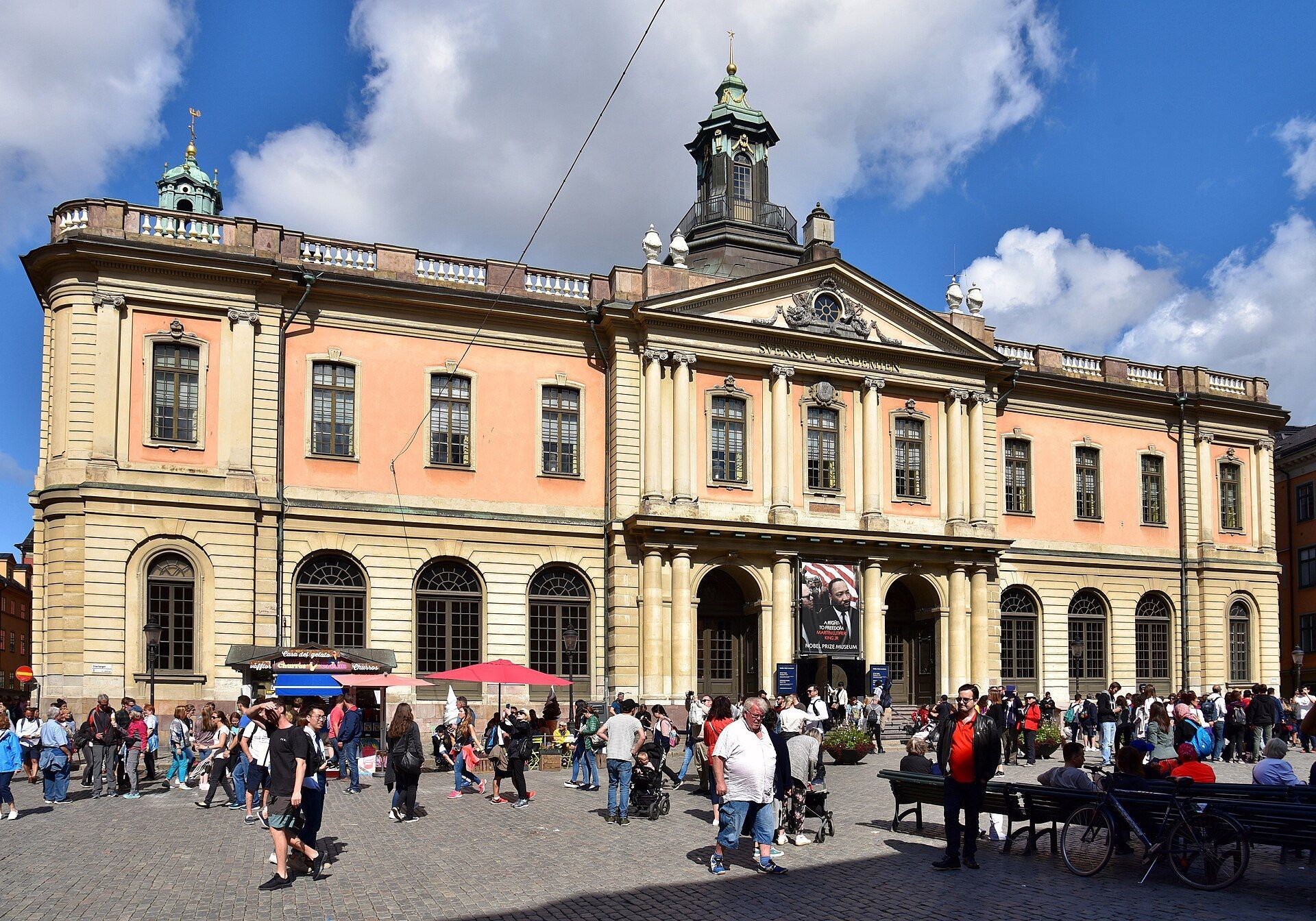

Standing before the grand Renaissance Revival façade of Nordiska Museet on Djurgården island, you're about to step into Sweden's most comprehensive collection of cultural history and folklore — a treasure trove that spans five centuries of Scandinavian life, traditions, and everyday objects that tell the story of how Swedes actually lived.
Explore Stockholm with WandrCity
Self-guided audio app · 24 stops · 119 SEK · No fixed schedule
This Stockholm folklore museum guide will help you navigate one of Northern Europe's largest cultural history museums, discover its hidden gems, and understand how to make the most of your visit while exploring the remarkable museum island of Djurgården.
Inside the Nordiska Museet: What Makes This Stockholm Folklore Museum Essential
The Nordiska Museet (Nordic Museum) houses over 1.5 million objects spanning Swedish cultural history from the 1520s to today. Founded in 1873 by Artur Hazelius — the same visionary who created Skansen open-air museum nearby — this institution was designed to preserve disappearing Swedish folk culture during rapid industrialization.
The museum's imposing building, completed in 1907, was originally intended to be part of a much larger complex resembling a Renaissance castle. While only one wing was completed, what stands today remains architecturally stunning and remarkably well-suited to its purpose.
The Must-See Exhibits
Your Stockholm folklore museum guide wouldn't be complete without highlighting the permanent exhibitions that define this institution. The Main Hall greets you with an enormous wooden statue of King Gustav Vasa, carved by Carl Milles, that rises three stories high — an immediate signal that you've entered somewhere significant.
The Table Settings exhibition showcases five centuries of Swedish dining culture, from elaborate noble feasts to humble peasant meals. You'll see how Swedes celebrated Midsummer, Christmas, and Easter through the objects they used, the foods they prepared, and the traditions they maintained across generations.
The Folk Art exhibition reveals the incredible creativity of rural Swedish craftspeople — painted furniture, intricate textiles, and decorated household objects that transformed functional items into works of art. The Sami culture exhibition provides essential context about Sweden's indigenous people, their traditional reindeer herding lifestyle, and their distinctive handicrafts.
Don't miss the Traditions exhibition on the fourth floor, which explores Swedish celebrations, rituals, and customs. The Fashion and Textiles galleries chart how Swedes dressed through the centuries, with stunning historical garments that reveal changing social norms and aesthetics.
Practical Visitor Information
The museum is open daily except Mondays, with extended hours on Thursdays. Standard admission is 140 SEK for adults, while visitors under 18 enter free. Your ticket includes access to all permanent exhibitions plus any temporary exhibitions — which often showcase contemporary Nordic design, photography, or cultural themes.
Plan at least two hours for a thorough visit, though folklore enthusiasts could easily spend half a day here. The museum café on the ground floor serves traditional Swedish dishes in a beautiful period setting — perfect for fika while processing everything you've absorbed.
Exploring Djurgården: Connecting the Museum to Stockholm's Cultural Island
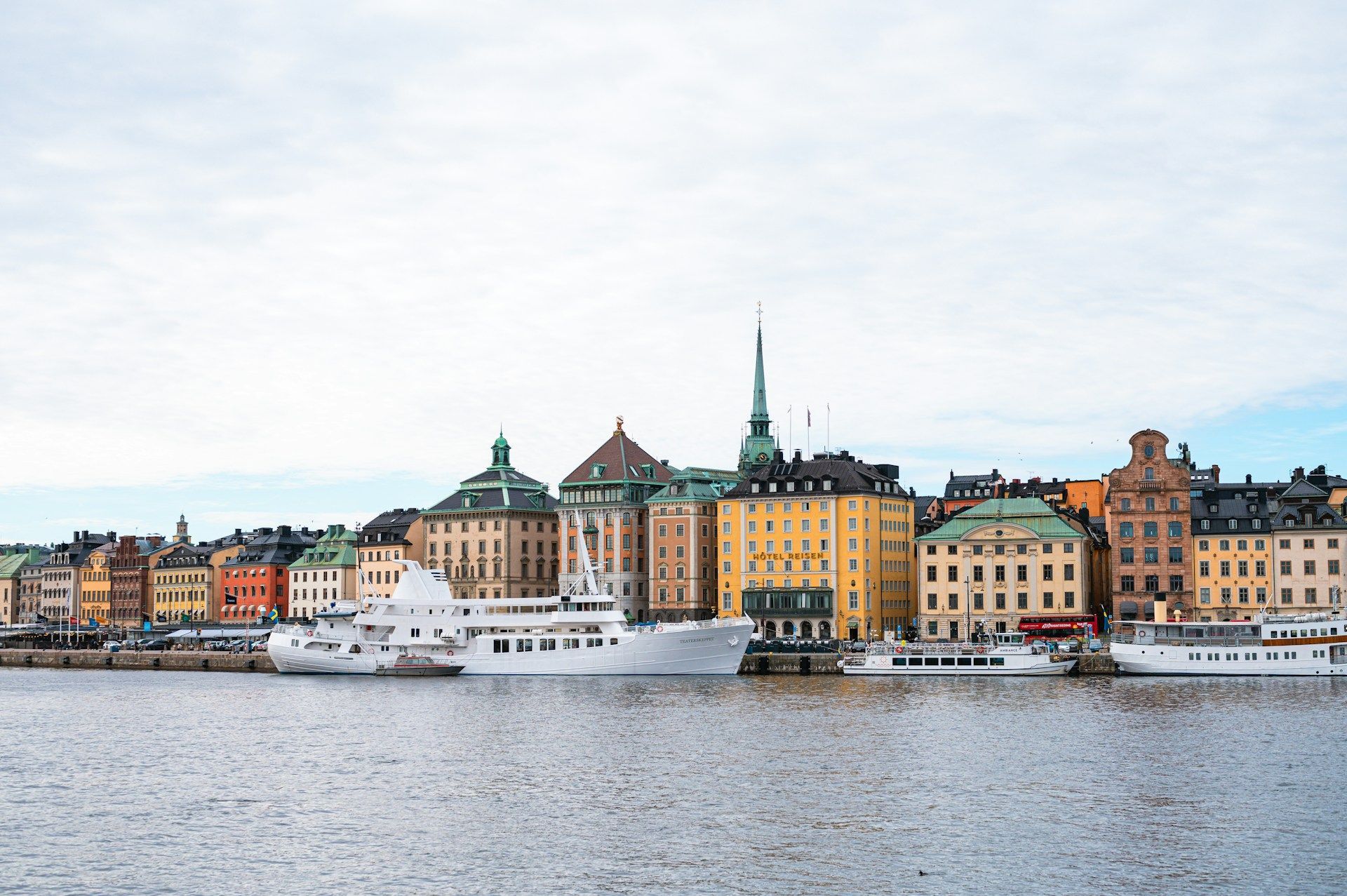
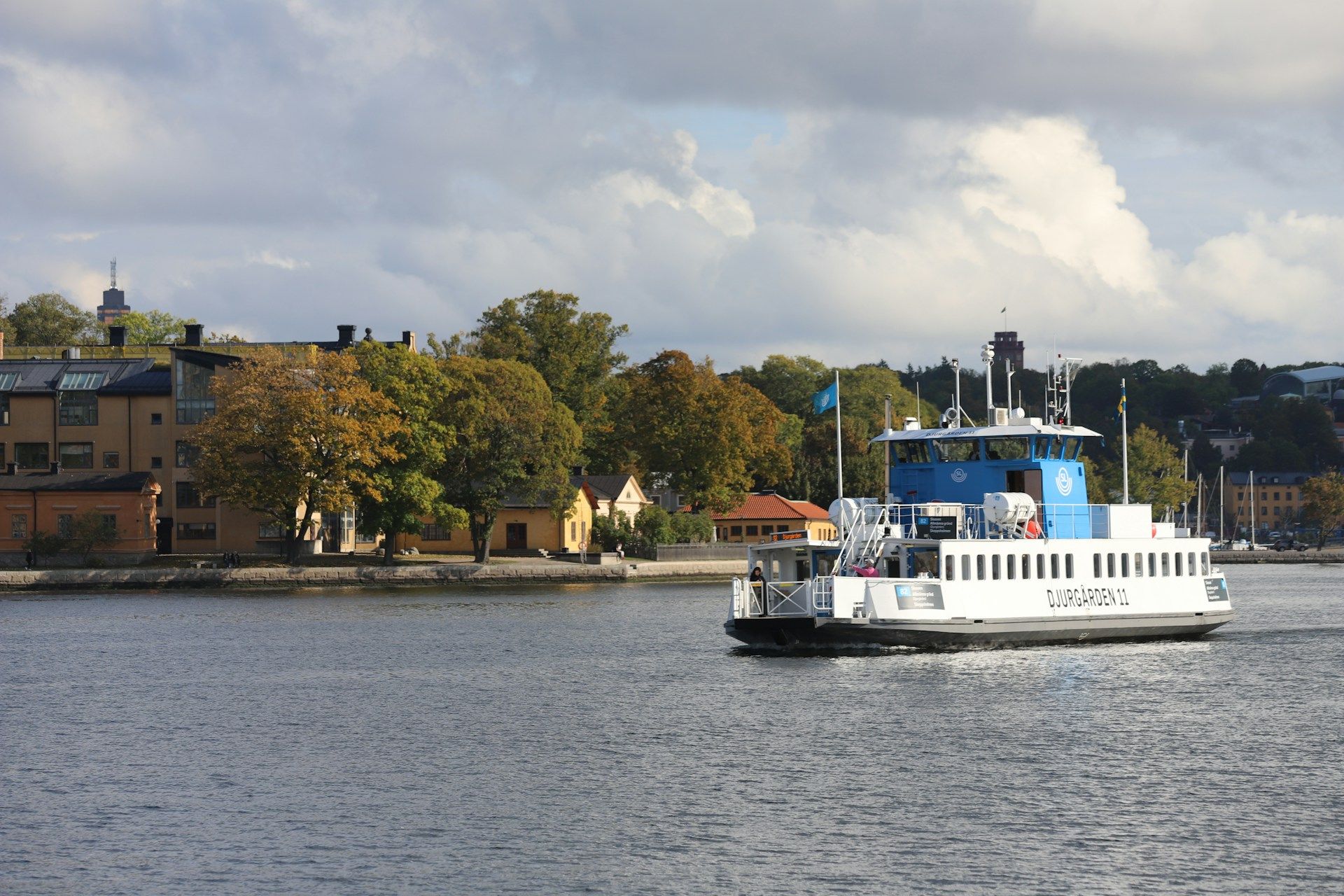
The Nordiska Museet sits on Djurgården, Stockholm's museum island that packs more cultural attractions per square kilometer than almost anywhere else in Europe. Understanding how this Stockholm folklore museum fits into the broader Djurgården experience helps you plan a richer visit.
Just steps away stands the Vasa Museum, housing the miraculously preserved 17th-century warship. Skansen open-air museum — Scandinavia's oldest — sits a pleasant walk inland, offering living history demonstrations and historic buildings relocated from across Sweden. The ABBA Museum, Gröna Lund amusement park, and numerous smaller galleries complete the cultural landscape.
This concentration of attractions makes Djurgården both a blessing and a challenge for visitors. How do you understand the connections between these places, grasp the historical context of what you're seeing, and navigate the island without feeling rushed or overwhelmed by group tour schedules?
This is where a self-guided Stockholm walking tour becomes invaluable. WandrCity's audio tour includes stops throughout Djurgården that provide the cultural and historical context connecting these attractions. With 24 stops covering Stockholm's essential neighborhoods — including the route from the city center to Djurgården — you'll understand how this former royal hunting ground evolved into Stockholm's cultural heart.
The immersive audio narration at each stop works with an interactive GPS map, playing automatically as you walk. There's no fixed schedule, no group to keep up with, and the 119 SEK one-time purchase inside the app gives you unlimited access to pause, explore museums at your own pace, and resume whenever you're ready. The audio works offline, so you're never dependent on data connection while exploring.
A Perfect Djurgården Walking Route
Start your cultural day by walking or taking tram 7 to Djurgården. Begin at the bridge entrance where you'll spot the distinctive Nordiska Museet building immediately to your right. Visit the museum first while you're fresh and able to absorb the wealth of information presented.
After the museum, walk the waterfront promenade toward the Vasa Museum — this short stretch offers beautiful views back toward Östermalm and Strandvägen's elegant buildings. Following the Vasa Museum, continue inland toward Skansen, where you can experience outdoor folk culture that complements the indoor exhibits you've just seen.
This route naturally integrates with Stockholm's broader walking routes that help you explore the city like a local. If you're planning your overall Stockholm in one day itinerary, dedicating your afternoon to Djurgården after exploring the old town in the morning creates a perfectly balanced cultural experience.
Beyond the Museum: Understanding Swedish Folklore and Cultural Context
Using this Stockholm folklore museum guide effectively means understanding what you're actually looking at when you examine these historical objects and exhibitions. Swedish folklore isn't just old stories and traditional costumes — it's a complex cultural system that shaped how Swedes understood their world, marked seasons and life transitions, and maintained community identity.
Seasonal Traditions and Their Material Culture
The objects displayed at Nordiska Museet reveal how deeply Swedish life was structured around seasonal rhythms. Midsummer celebrations, visible through flower crowns, maypoles, and special foods, marked the year's longest day with fertility symbolism and community gathering. Christmas traditions showcased the midwinter darkness through candlelit decorations, julbord feasts, and gift-giving customs that evolved over centuries.
The museum's strength lies in presenting not just the beautiful or unusual objects, but the everyday items that reveal how ordinary Swedes lived, worked, and celebrated. A painted wooden ale bowl tells stories about social drinking customs. A traditional folk costume reveals regional identity, social status, and craftsmanship pride. These material objects become windows into vanished lifeways.
Regional Diversity in Swedish Folk Culture
One surprising revelation for many visitors is how dramatically Swedish folk culture varied by region. The southern province of Skåne maintained cultural connections to Denmark and continental Europe. Northern regions like Dalarna developed distinctive styles in music, textiles, and painted furniture. Coastal communities lived completely differently from inland farming villages.
The Nordiska Museet brilliantly presents this regional diversity, showing how geography, climate, economic activities, and historical connections created multiple "Swedish" cultures rather than one monolithic tradition. This complexity makes the museum endlessly fascinating for return visits — there's always another regional variation to discover, another craft technique to appreciate.
After exploring Swedish cultural heritage at Nordiska Museet, you'll see Stockholm itself differently. The folk traditions preserved in the museum still echo through contemporary Swedish life — in Midsummer celebrations, Christmas markets, and the design aesthetic visible everywhere from subway stations to modern apartments. This Stockholm folklore museum doesn't just preserve the past; it helps you understand the cultural DNA still shaping Swedish society today, making your entire Stockholm experience richer and more meaningful as you walk these historic streets and discover the layers of history beneath the modern surface.
Start your journey
in Stockholm
WandrCity is a self-guided audio tour app for Stockholm.
24 stops · Immersive audio narration · 119 SEK one-time
Download on App Store Download on Google Play